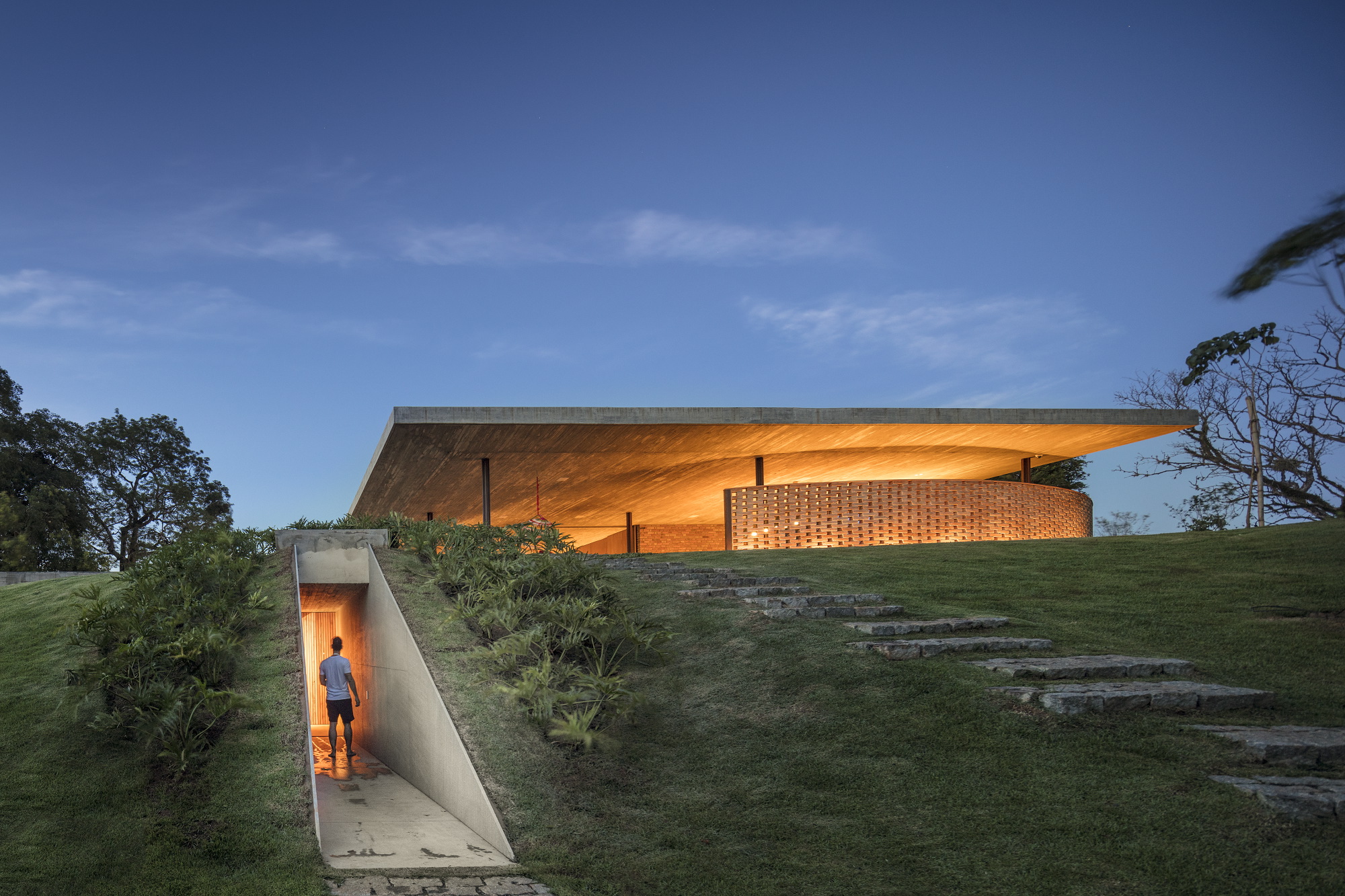
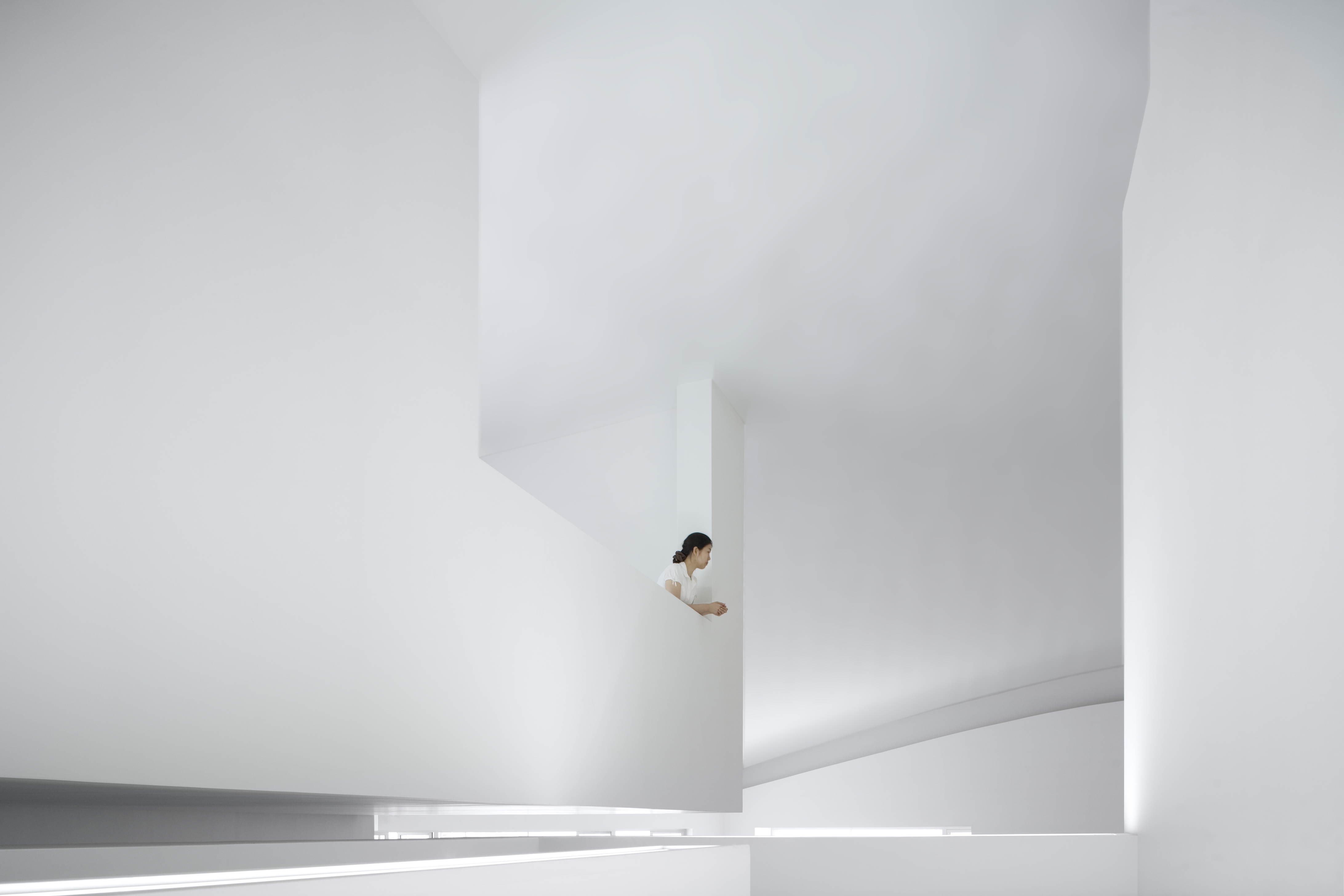
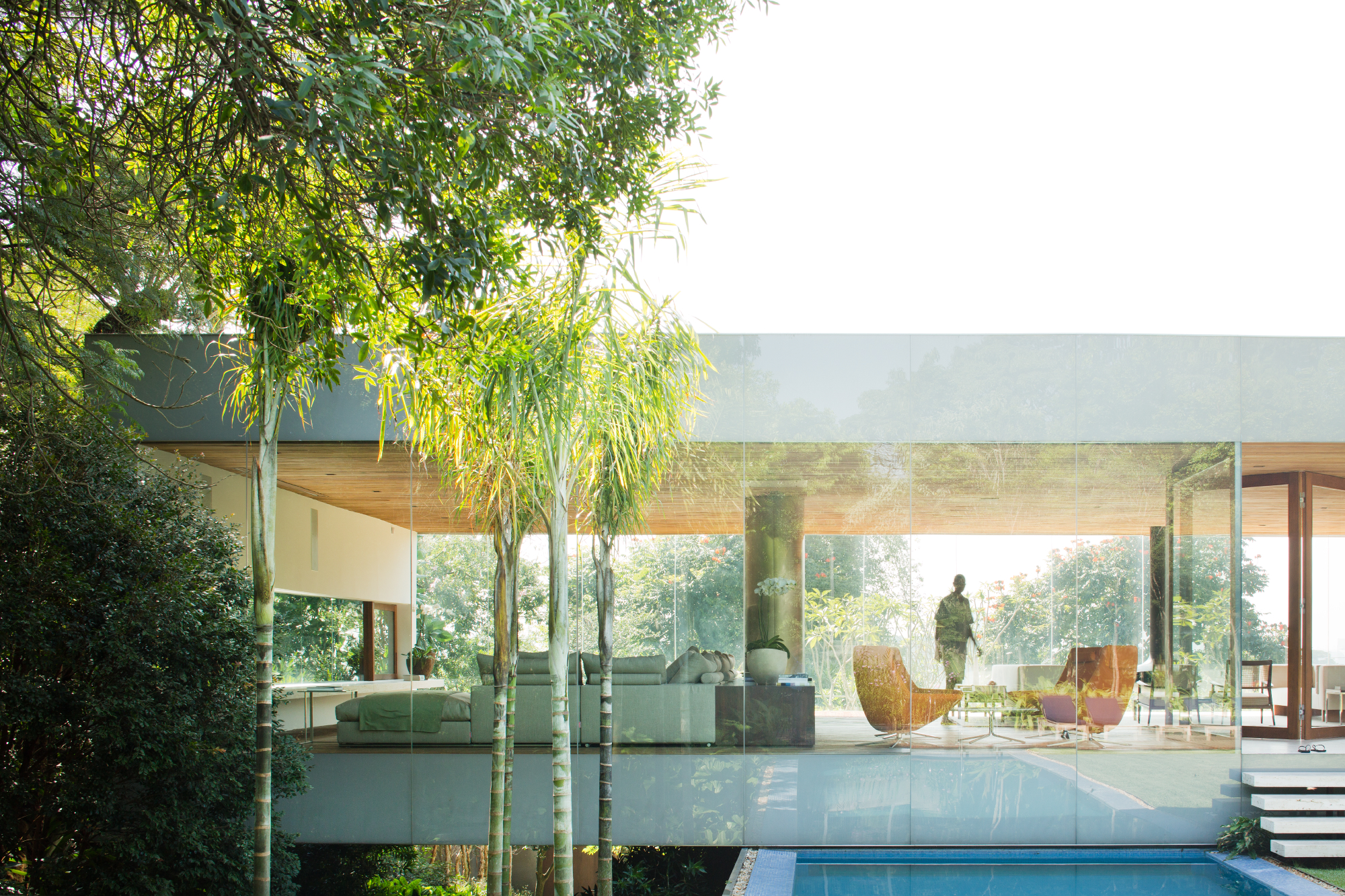
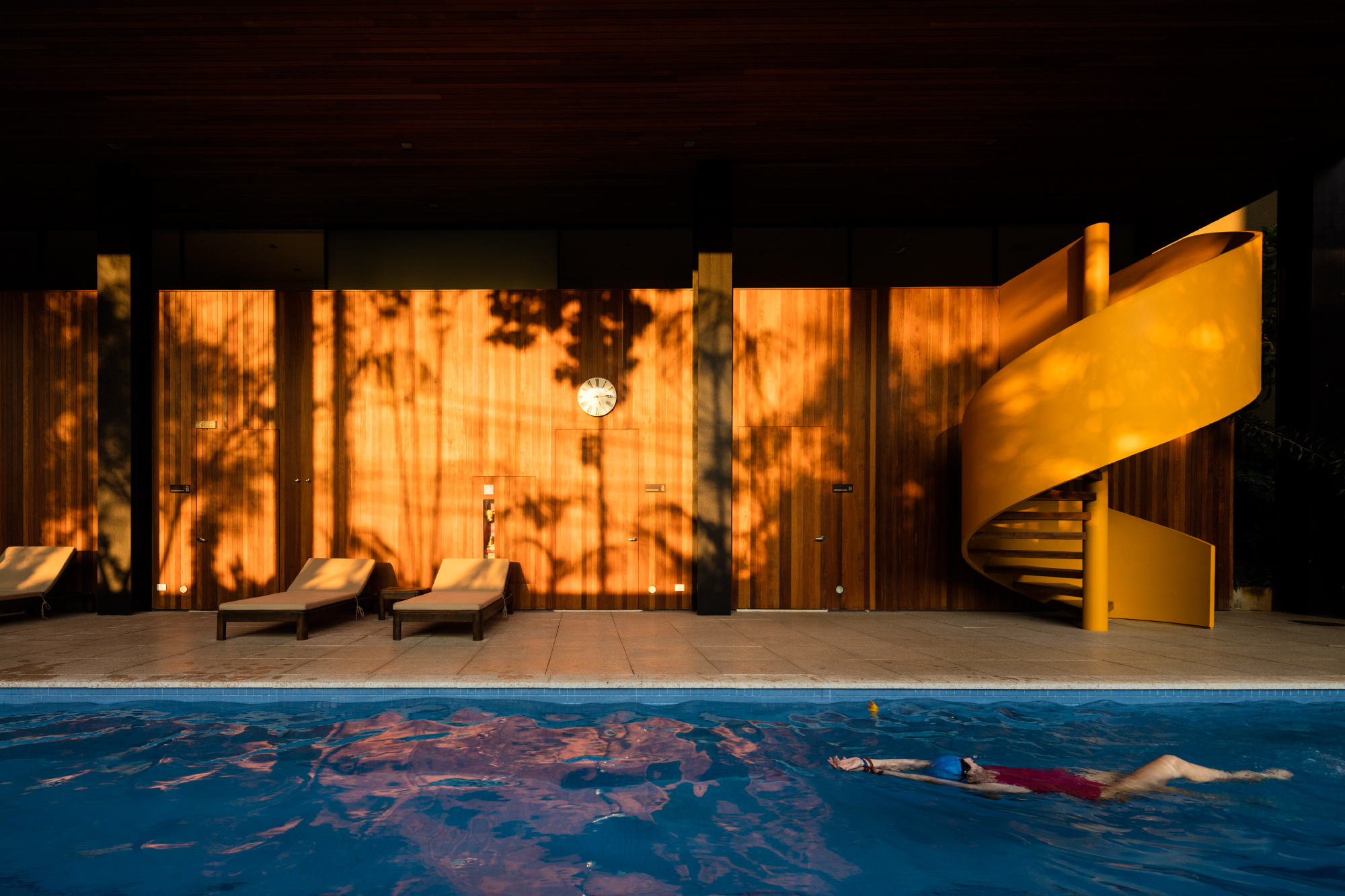

Fernando Guerra: 5 Powerful Lessons from His Inspiring Photography Journey
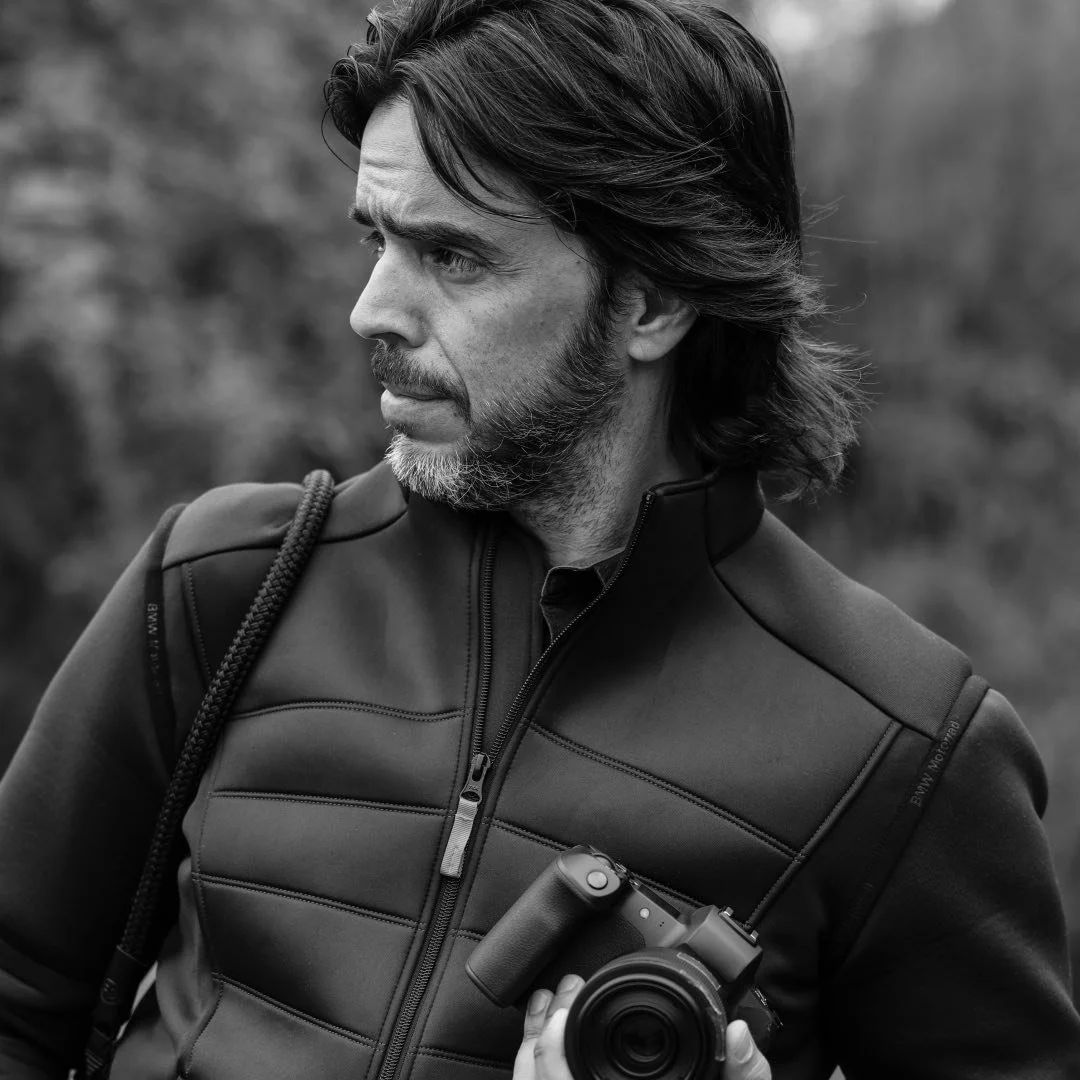
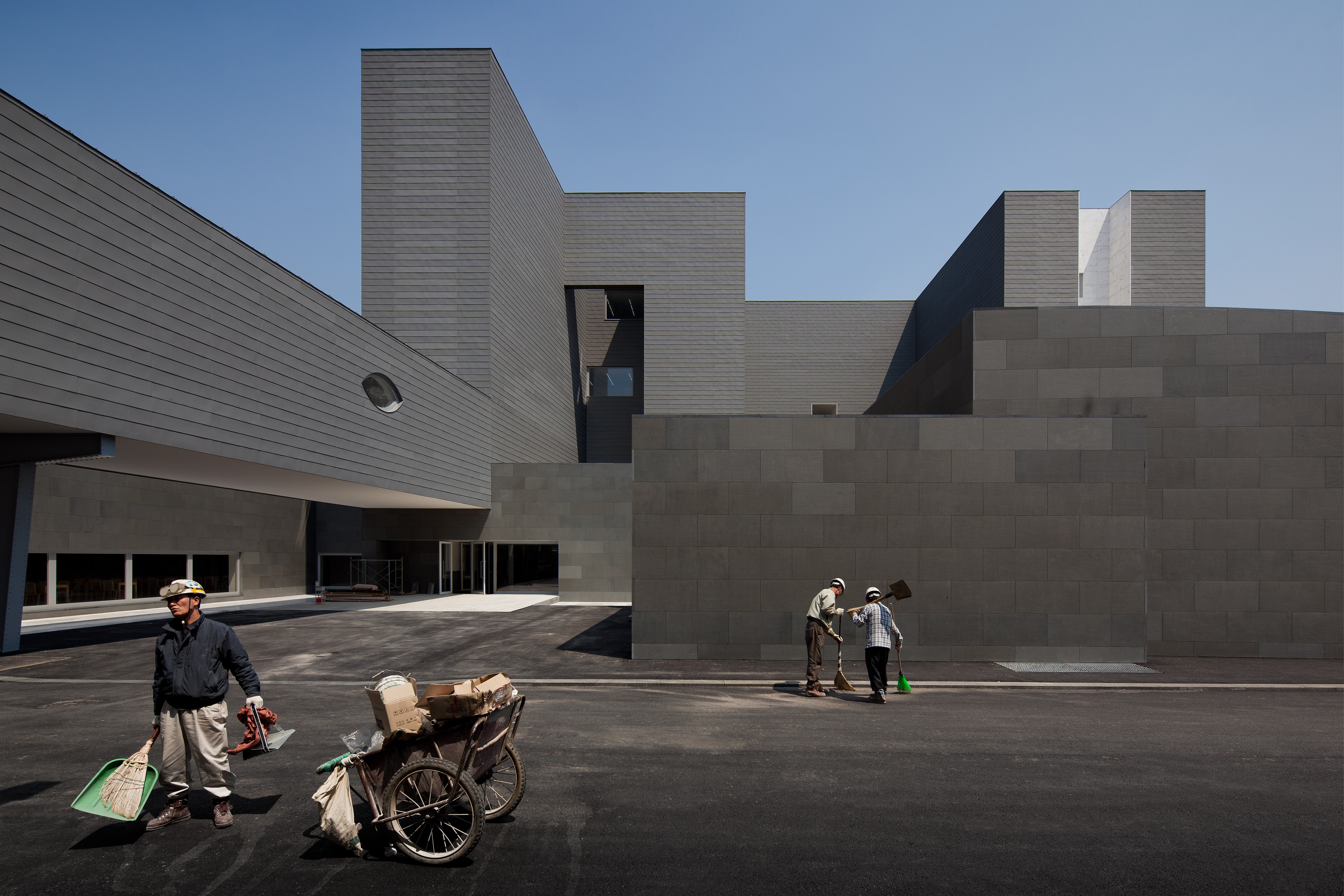
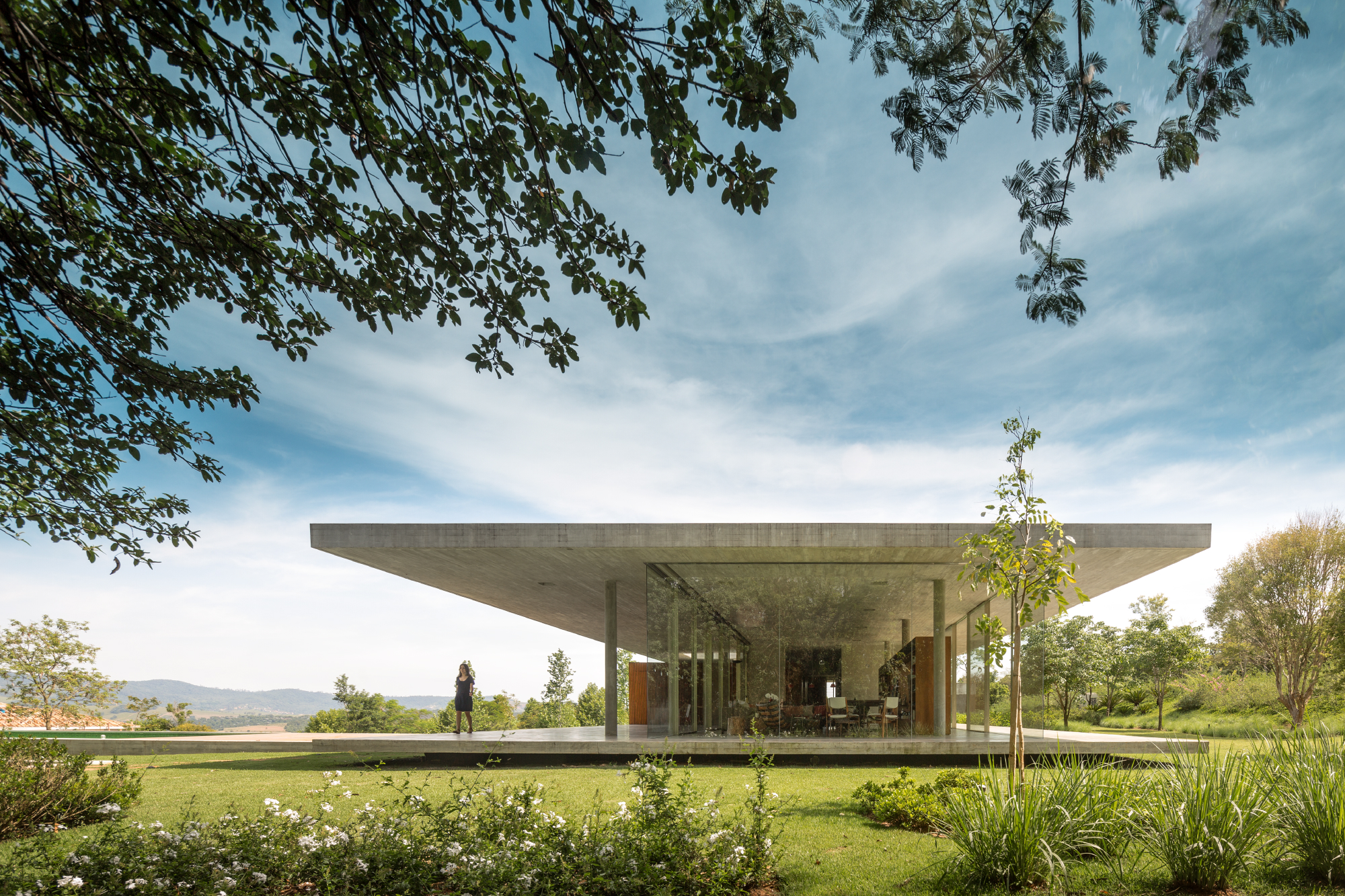
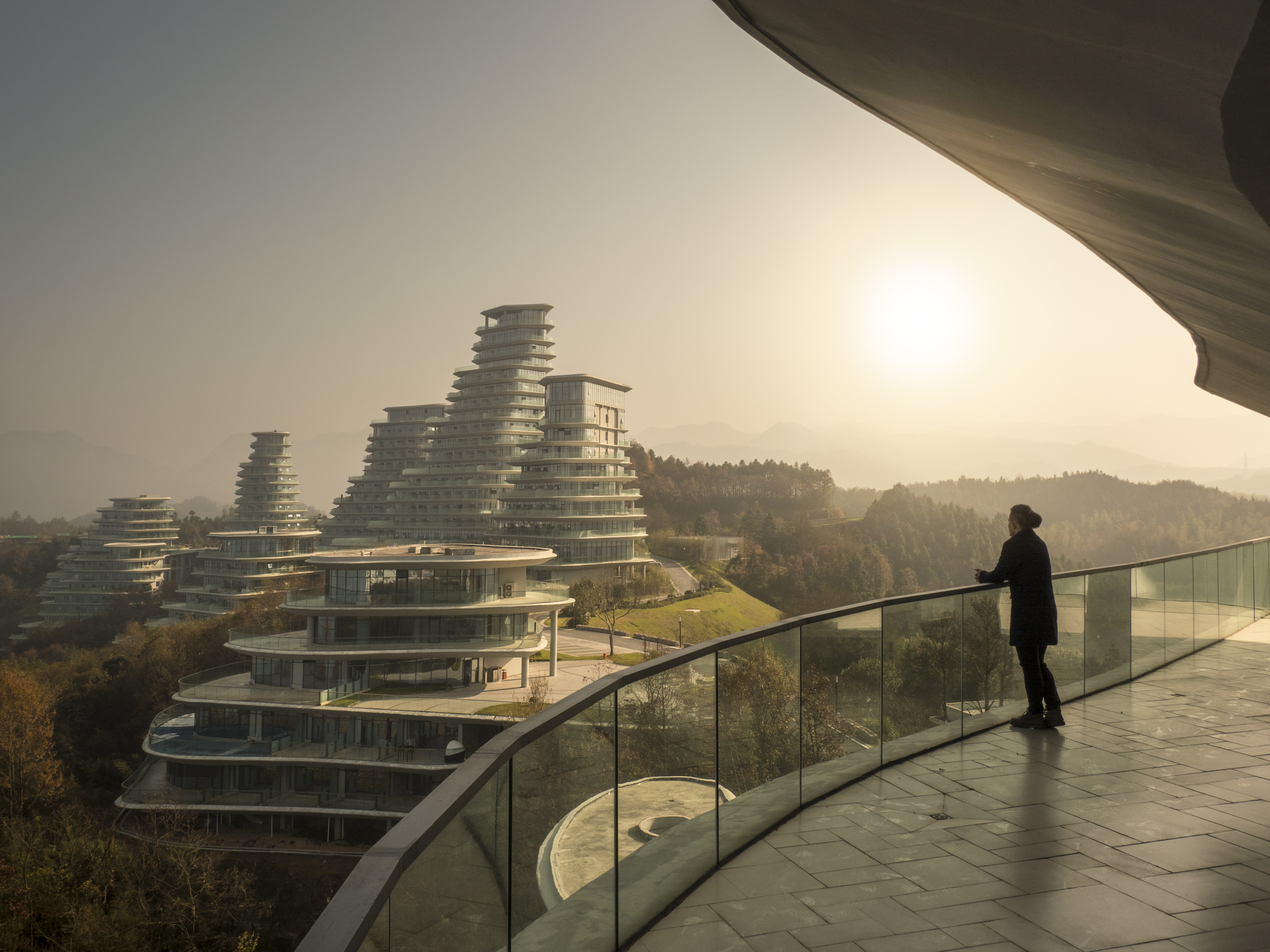
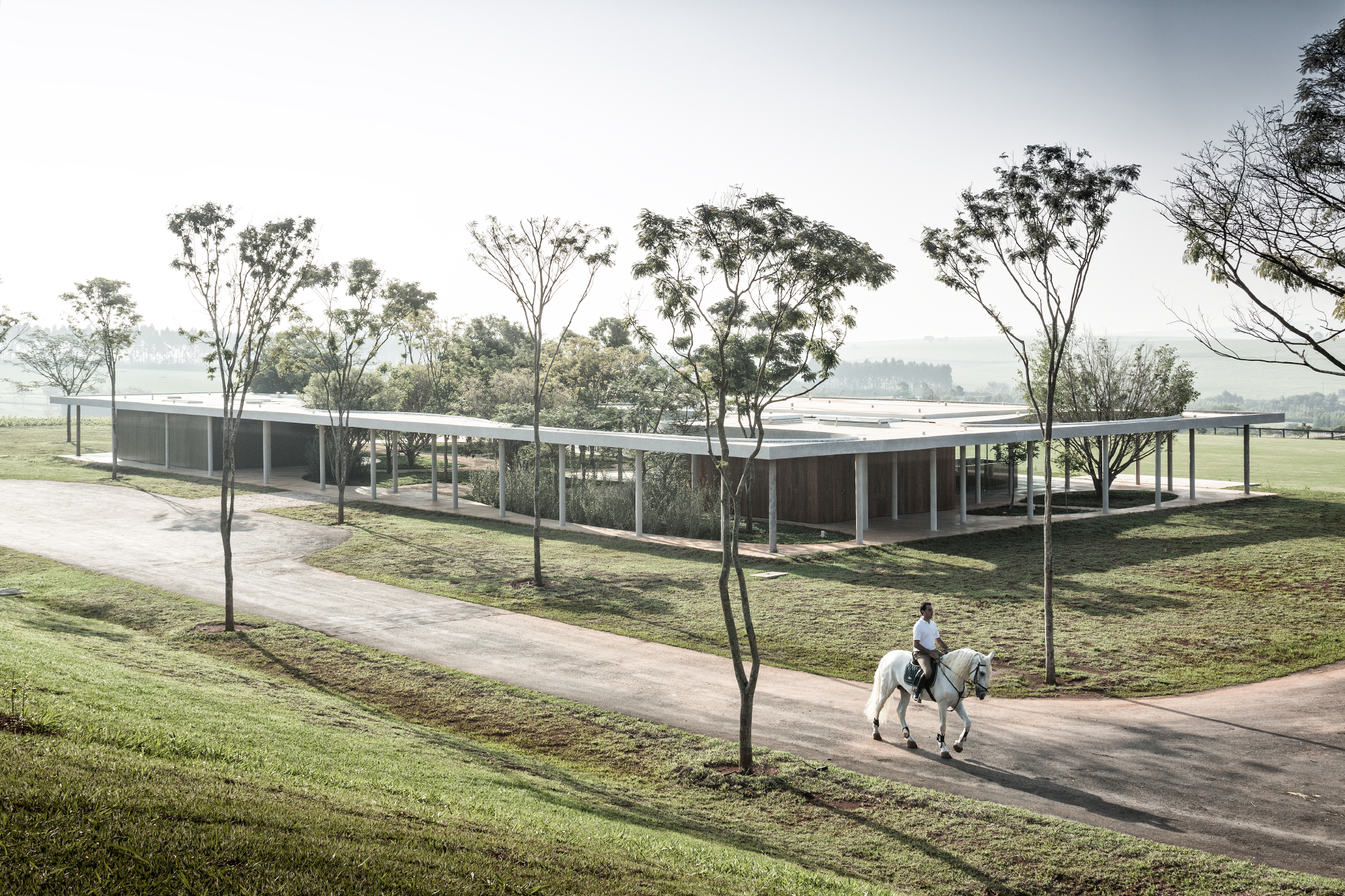
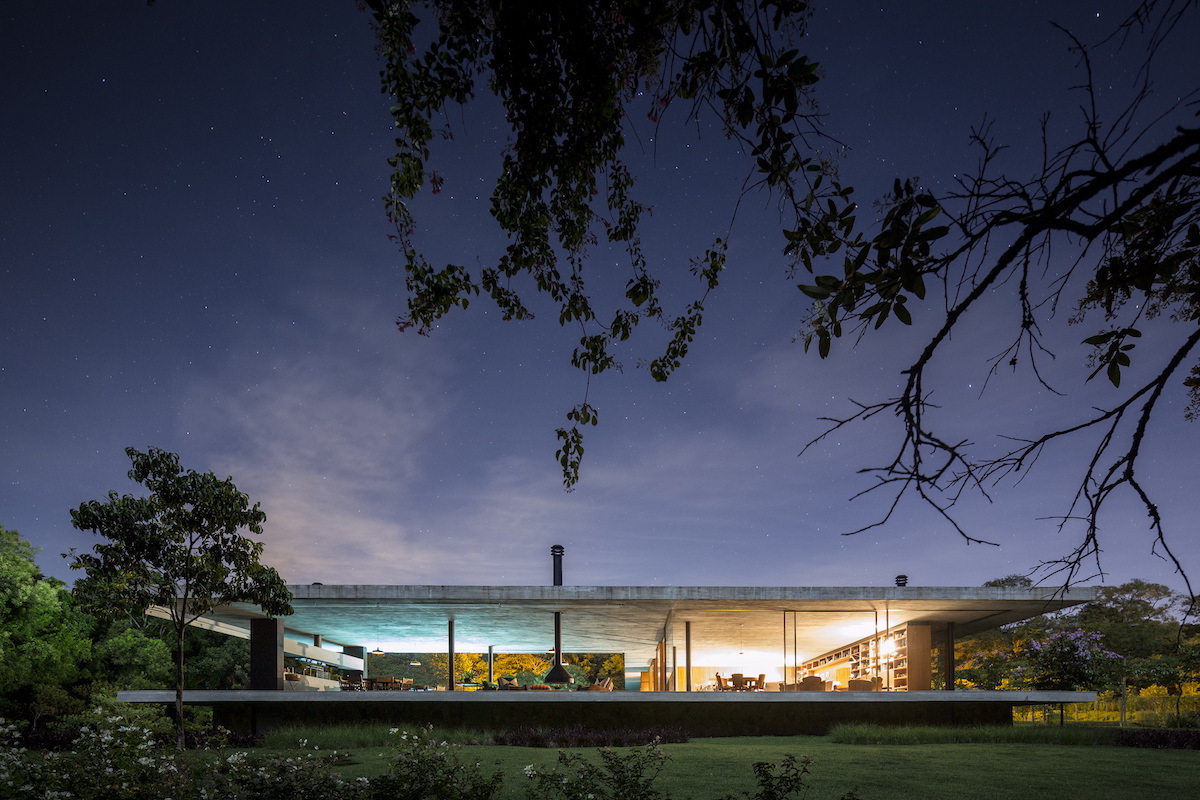
Fernando Guerra is a name now synonymous with modern architectural photography. He photographs more than bricks and glass he captures mood, life and the small human stories that make buildings meaningful. Born in Lisbon and trained as an architect, Guerra moved from drawing plans to framing moments, and today his work appears in top architecture media and exhibitions worldwide.
Early life and the quiet shift from architecture to photography
Fernando was born in Lisbon and studied architecture at Universidade Lusíada de Lisboa. After graduation he worked as an architect in Macau for several years, but photography was already part of his life a hobby since adolescence that quietly grew into a profession. That background in architecture gives him an inside understanding of space and composition; he doesn’t just take pictures of buildings, he reads them.
The breakthrough founding FG+SG and a different way to see architecture
In 1999 Fernando and his brother Sérgio founded FG+SG (Fotografia de Arquitectura), a studio that became a platform to show contemporary architecture with a fresh, humanized viewpoint. FG+SG helped put Portuguese architecture on the global map while also serving international clients. The studio’s publishing wing later amplified their reach, turning a small practice into an influential voice in architectural communication.
Why his architectural training matters
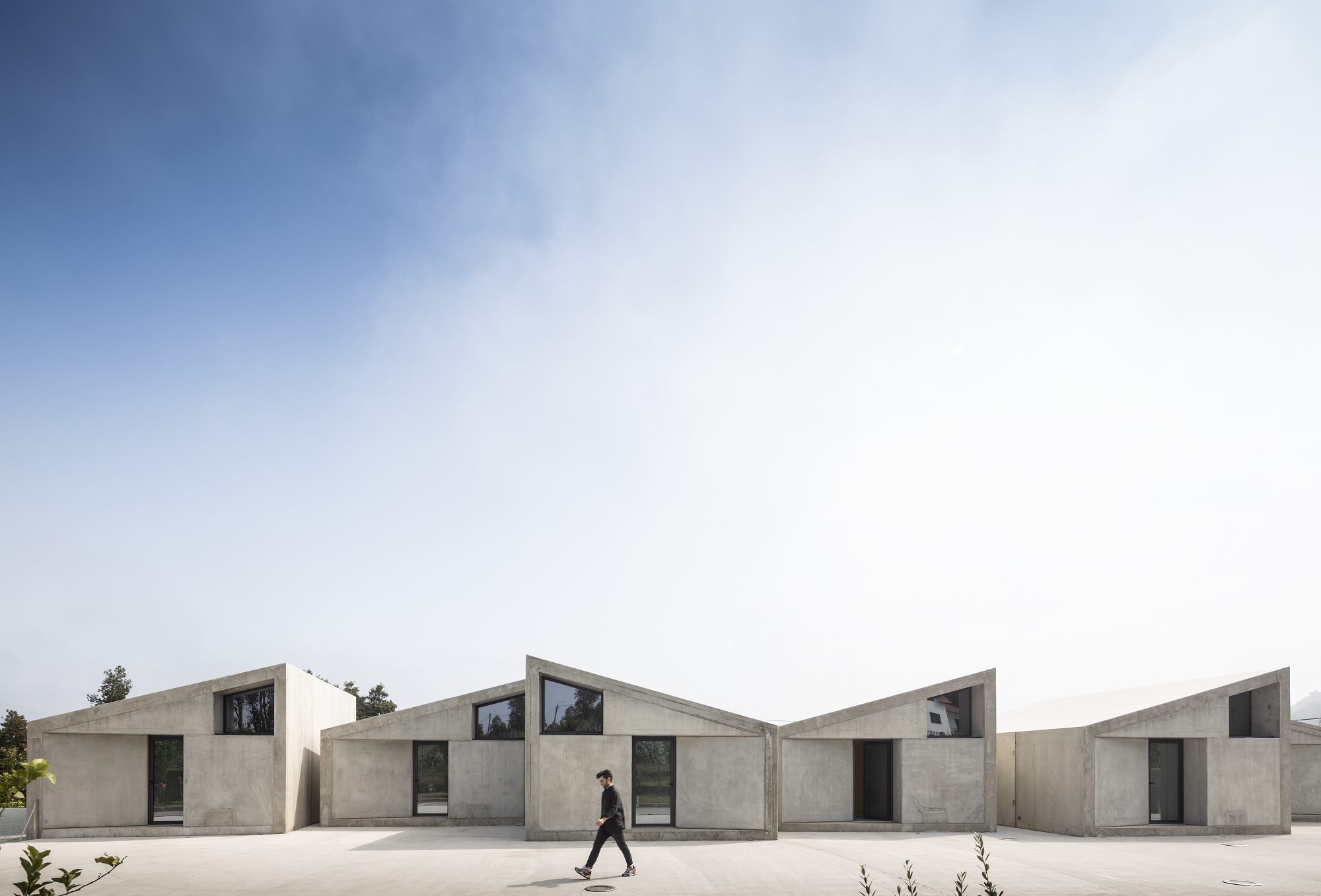
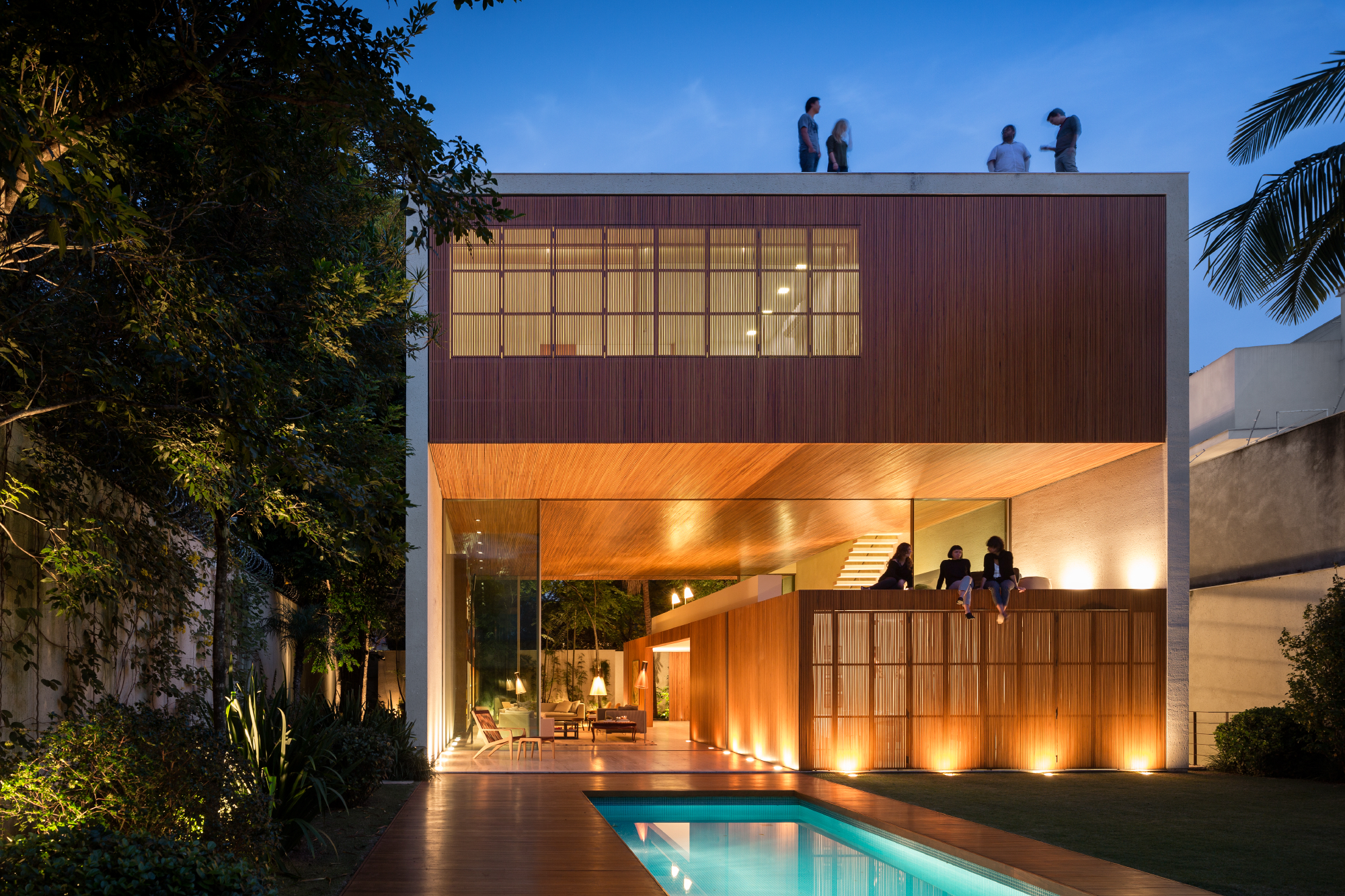
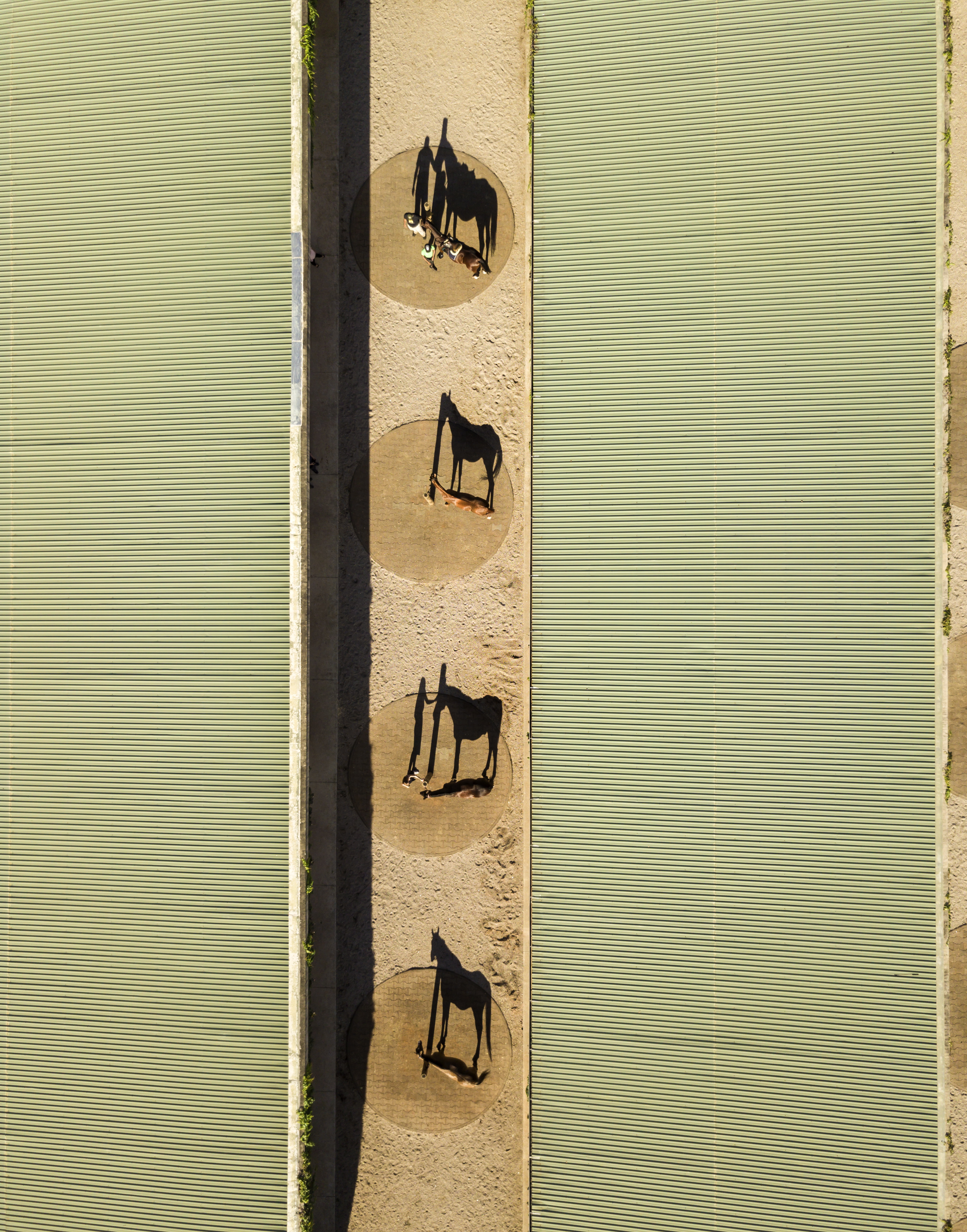
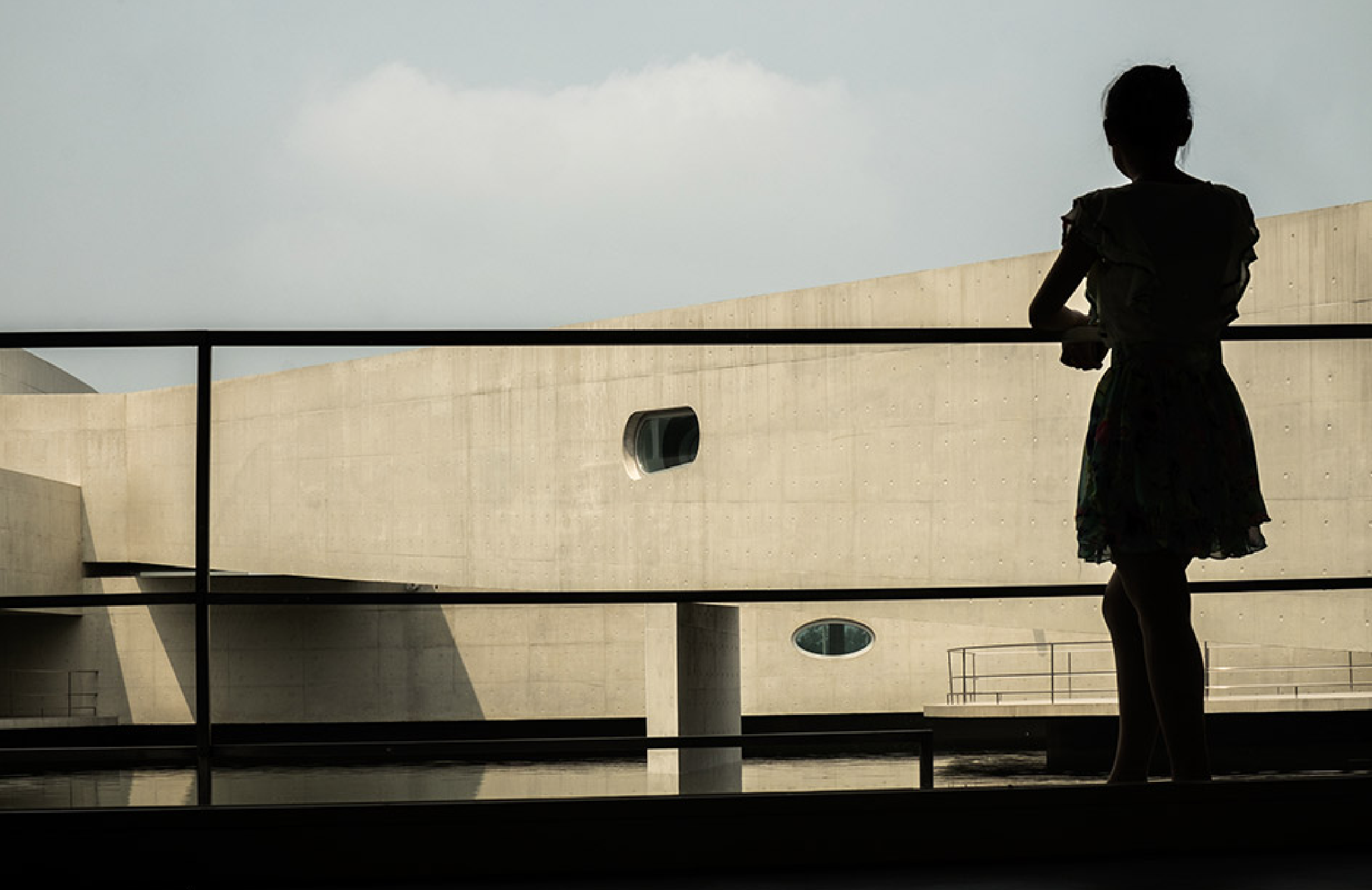
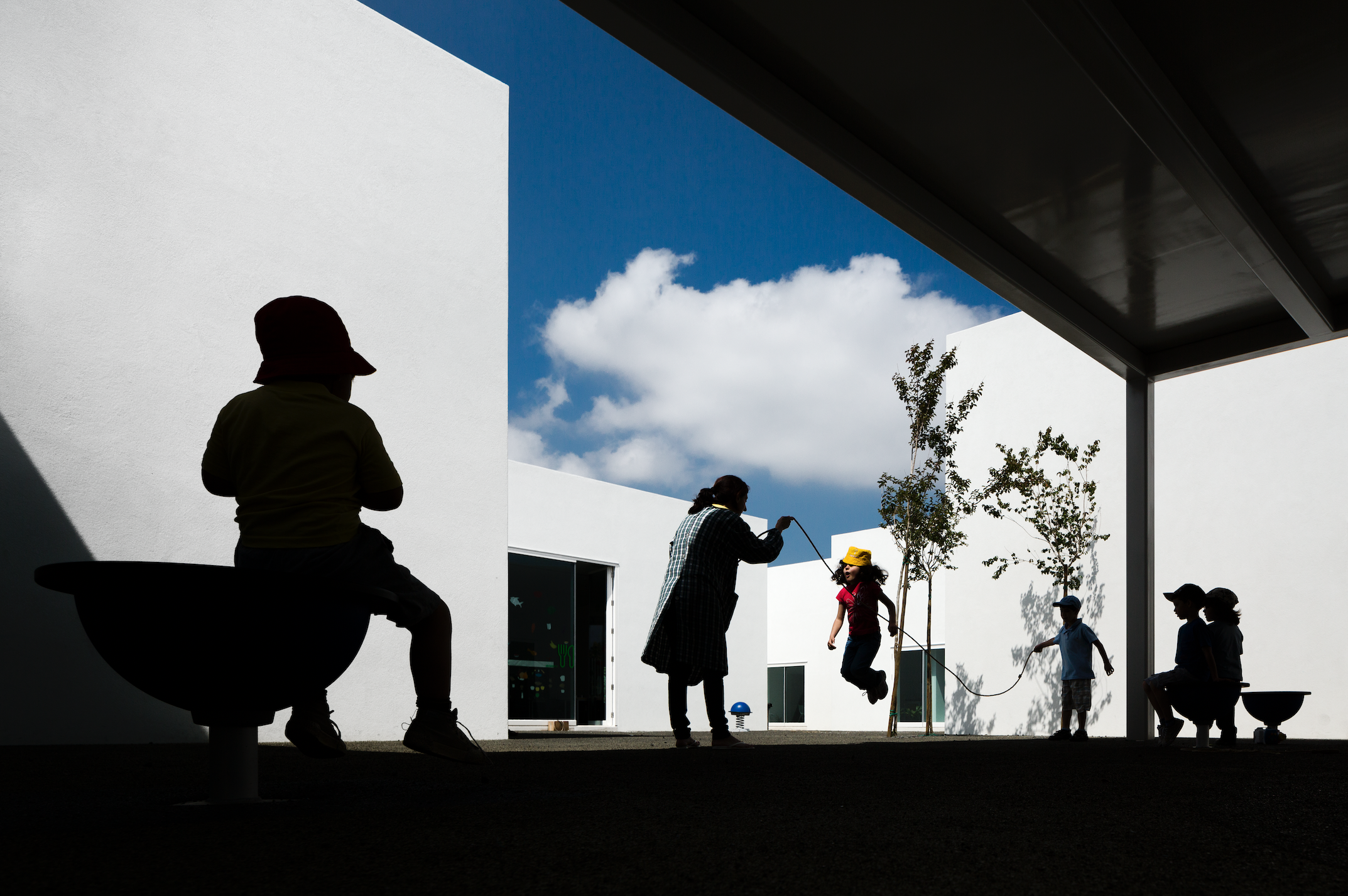
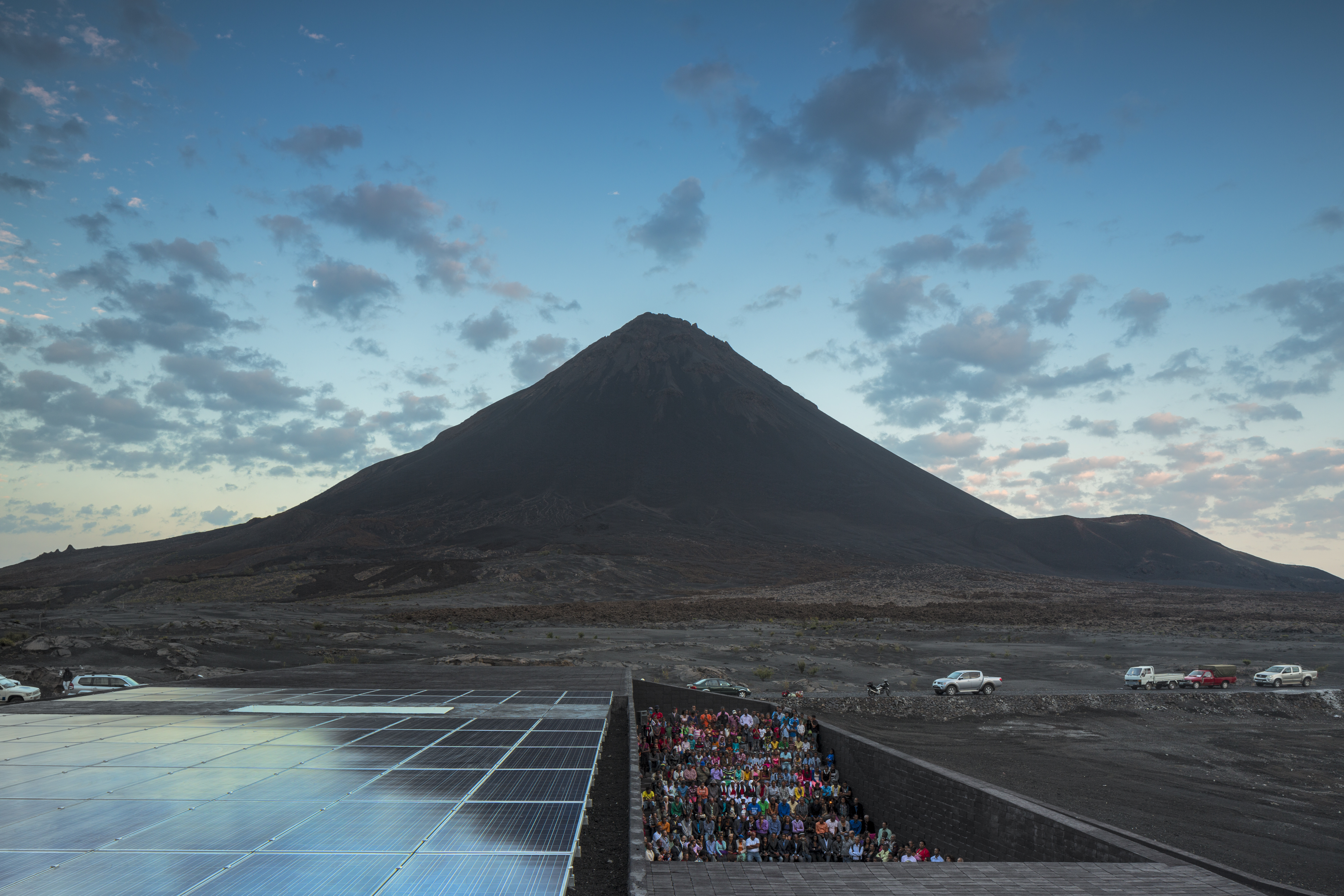
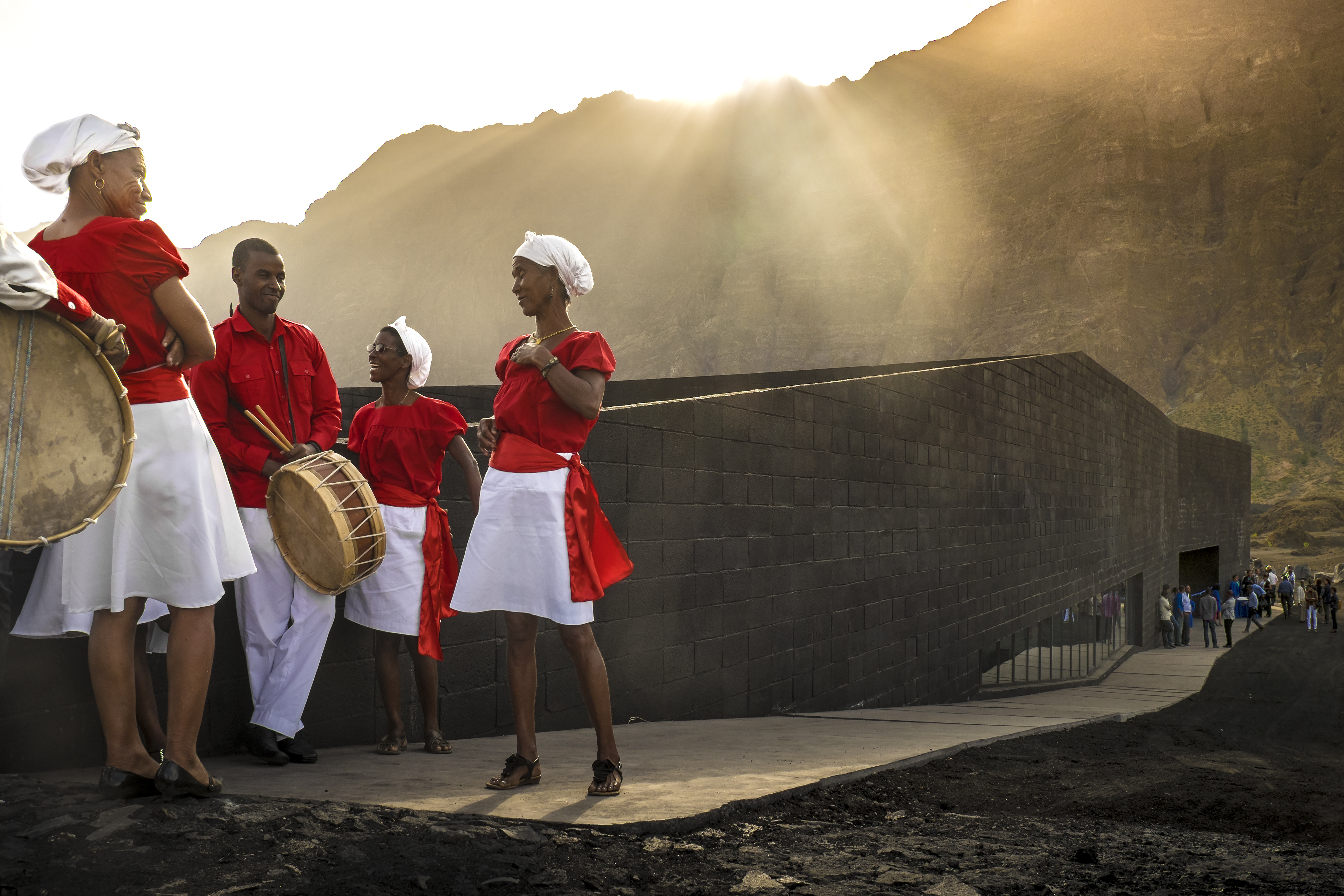
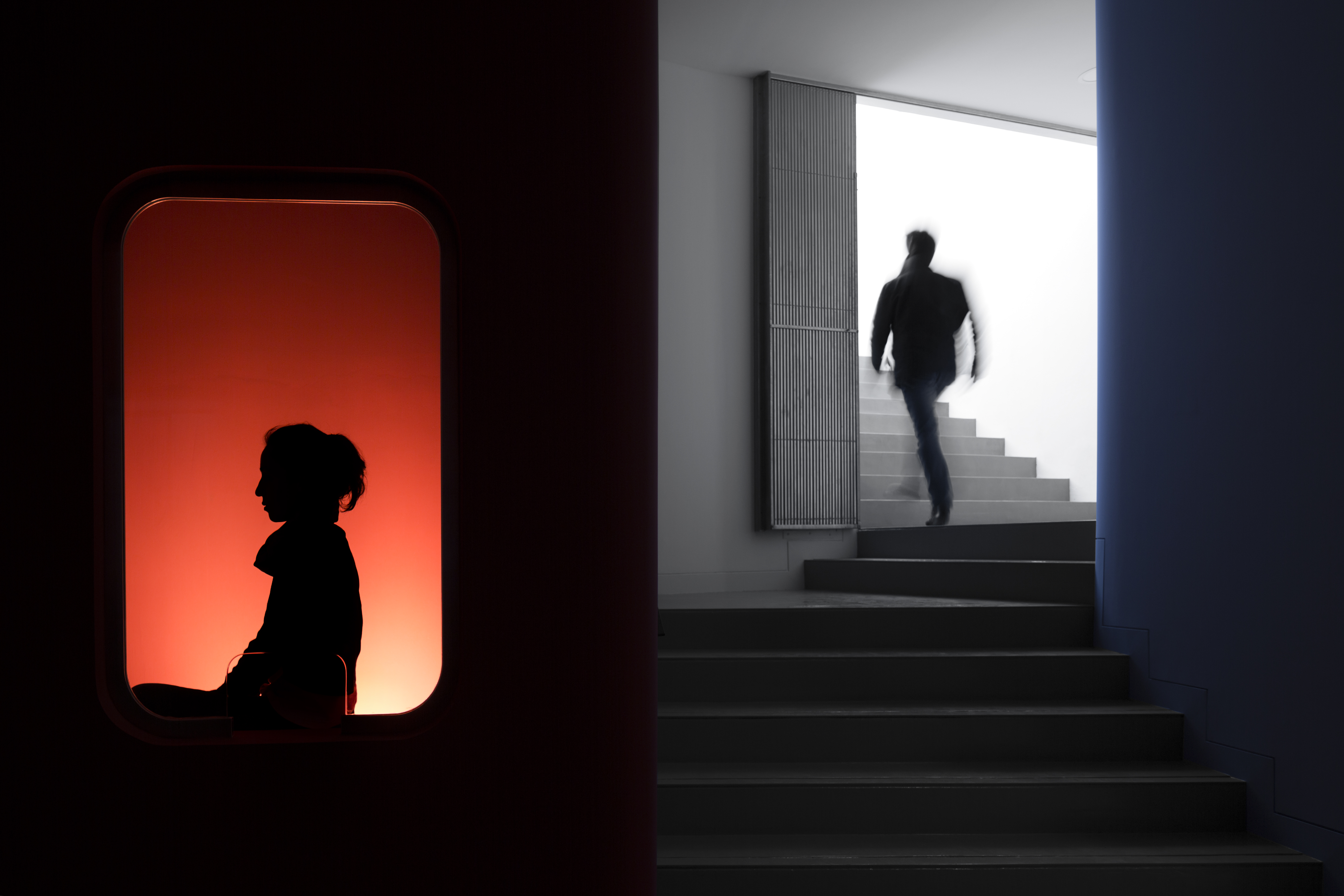
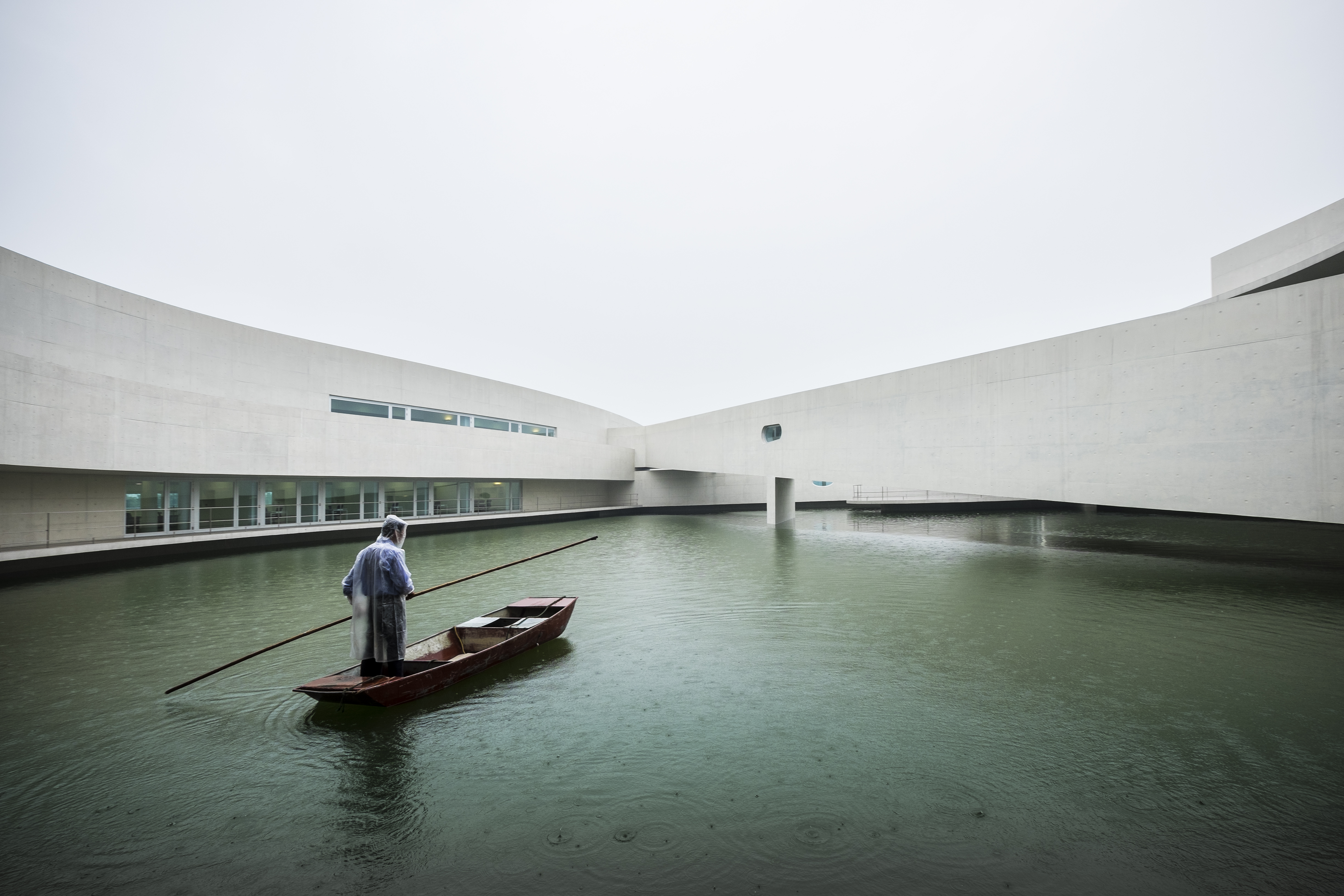
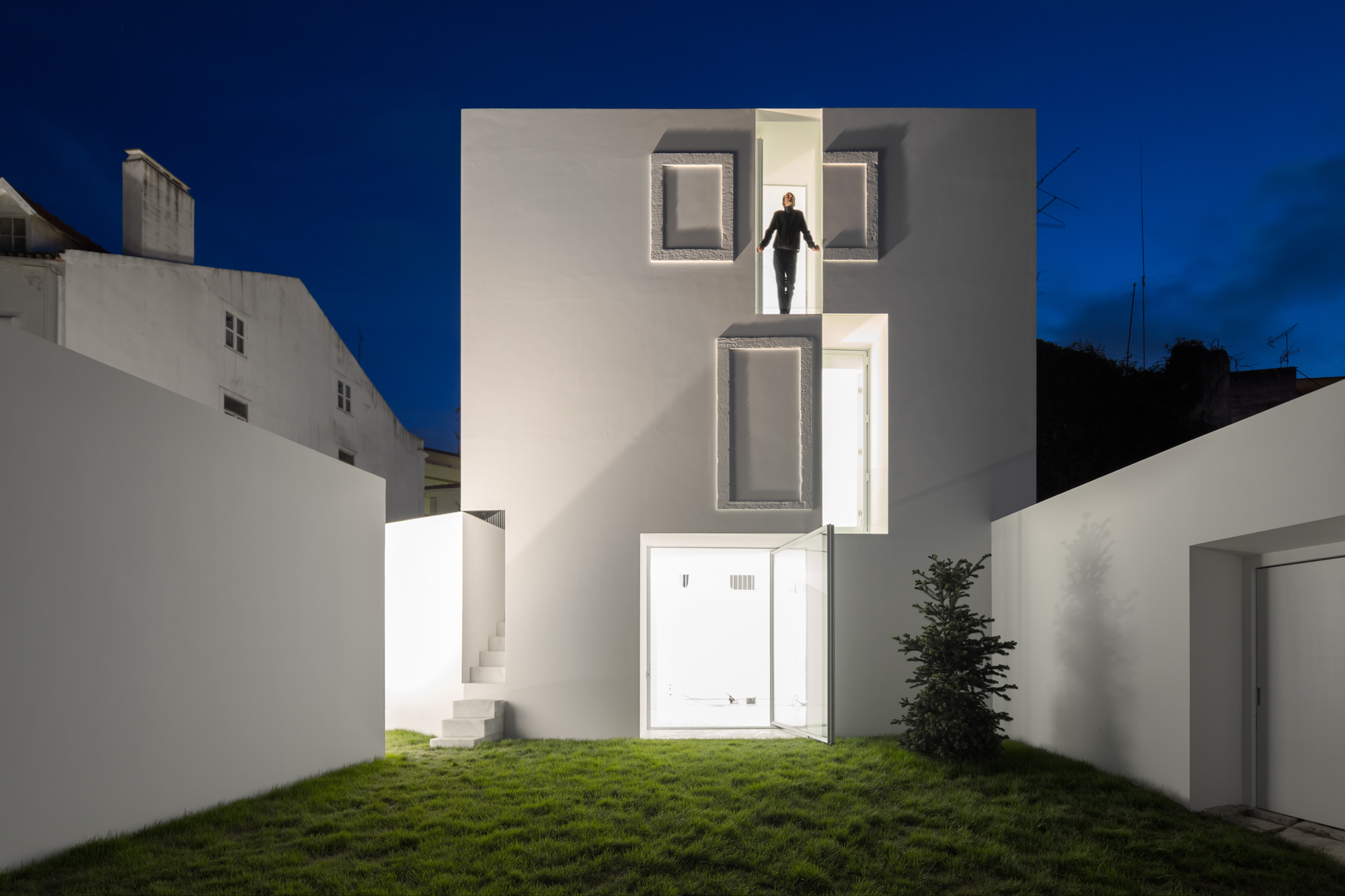
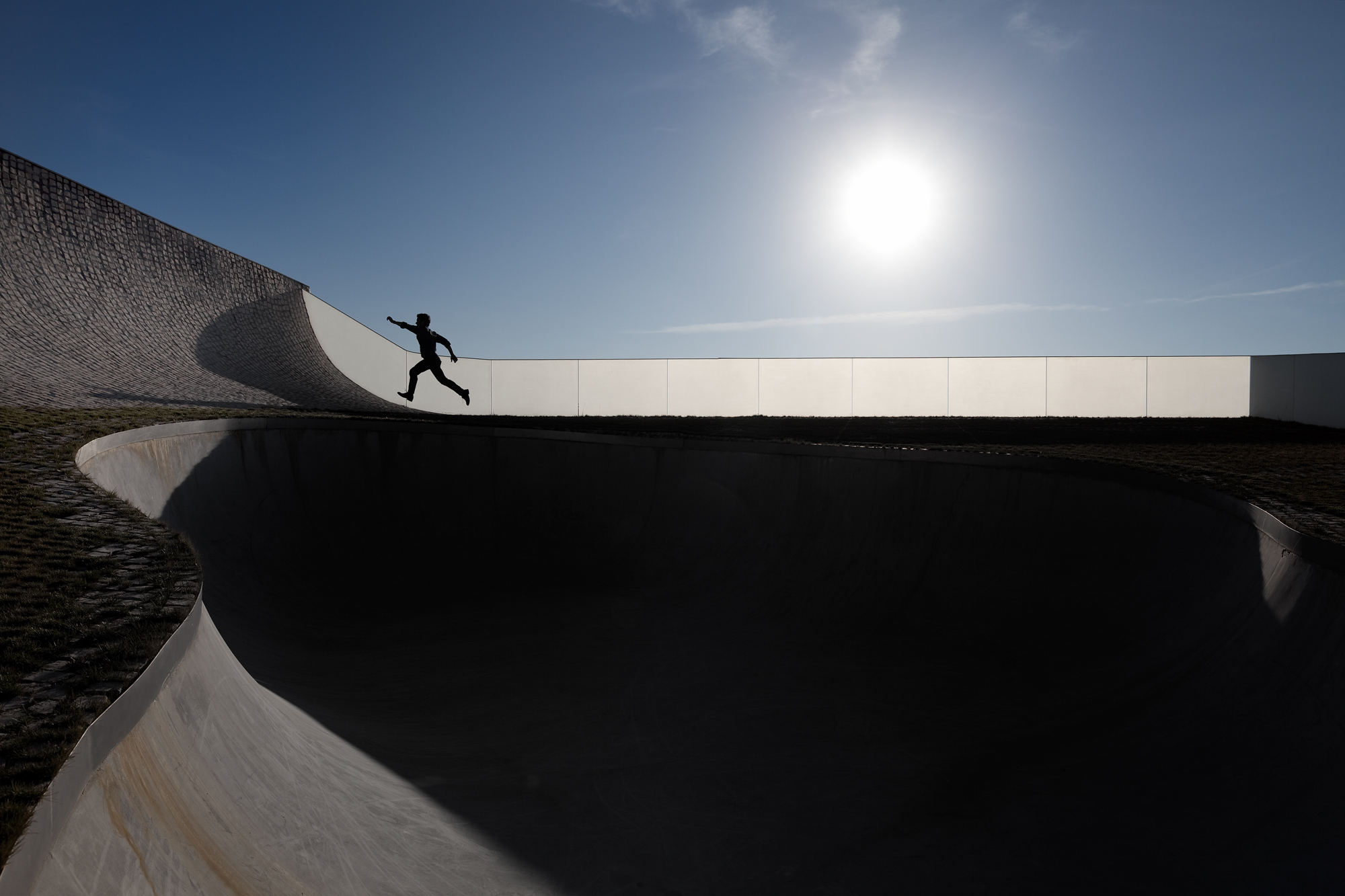
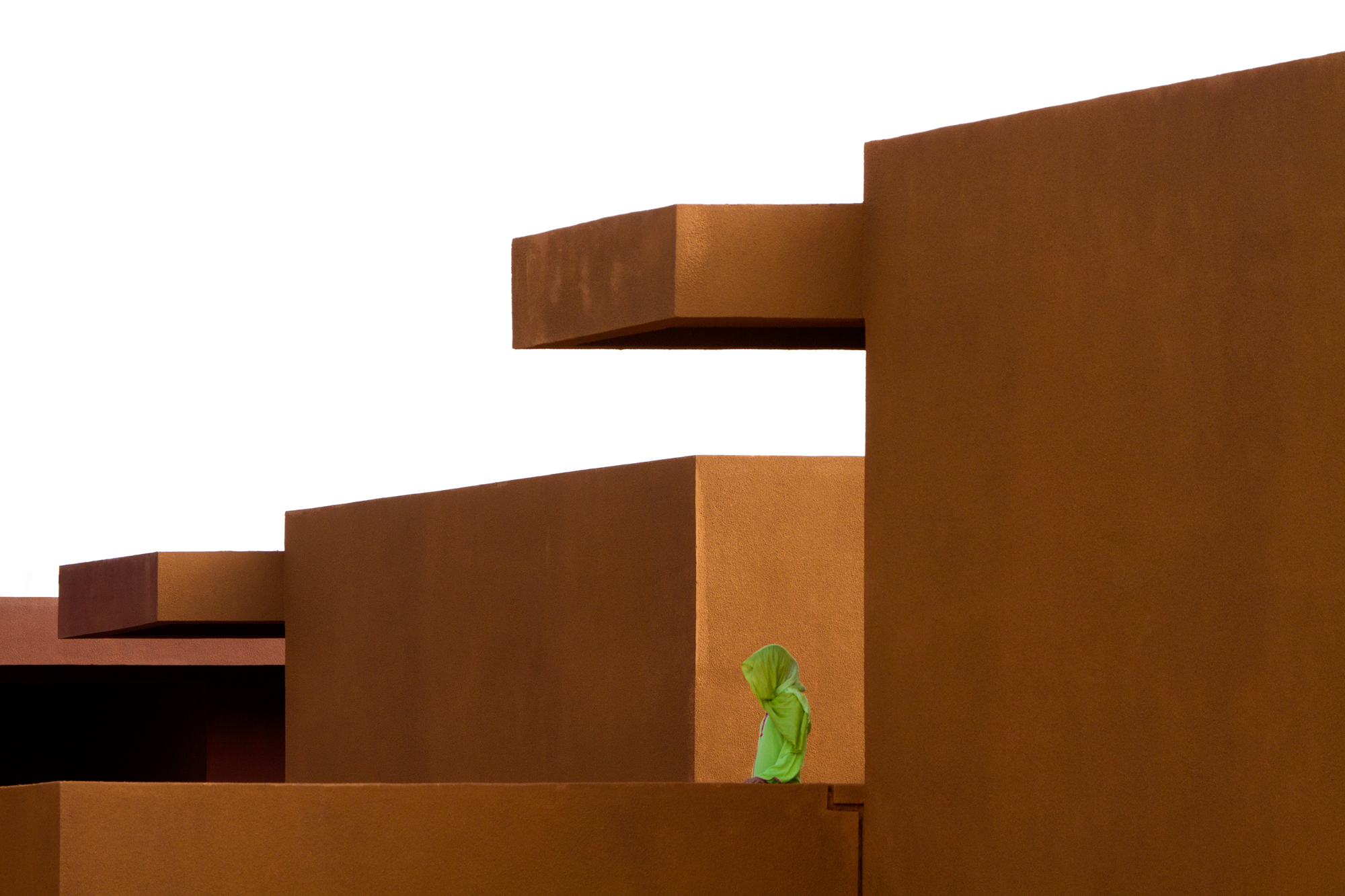
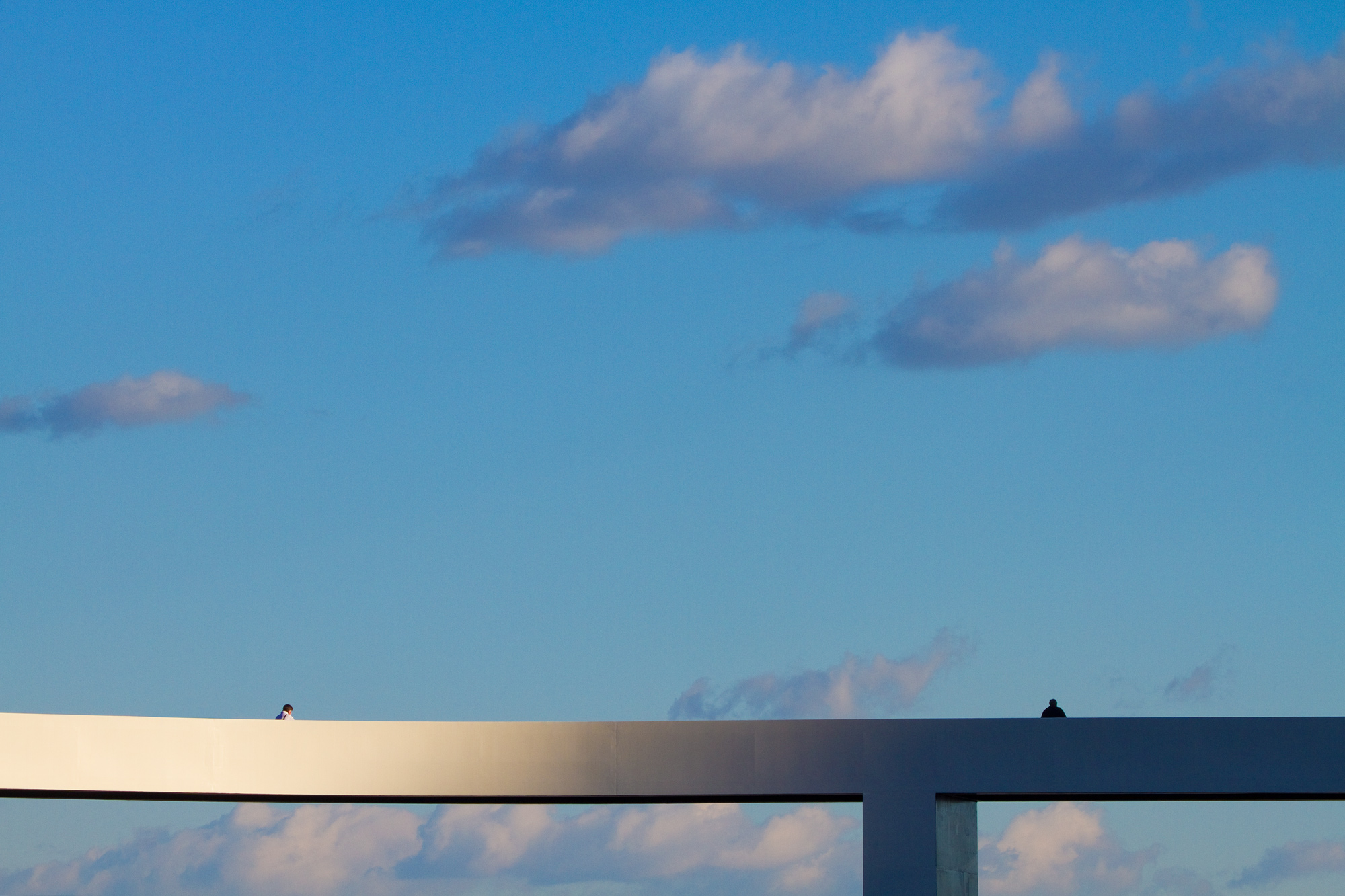
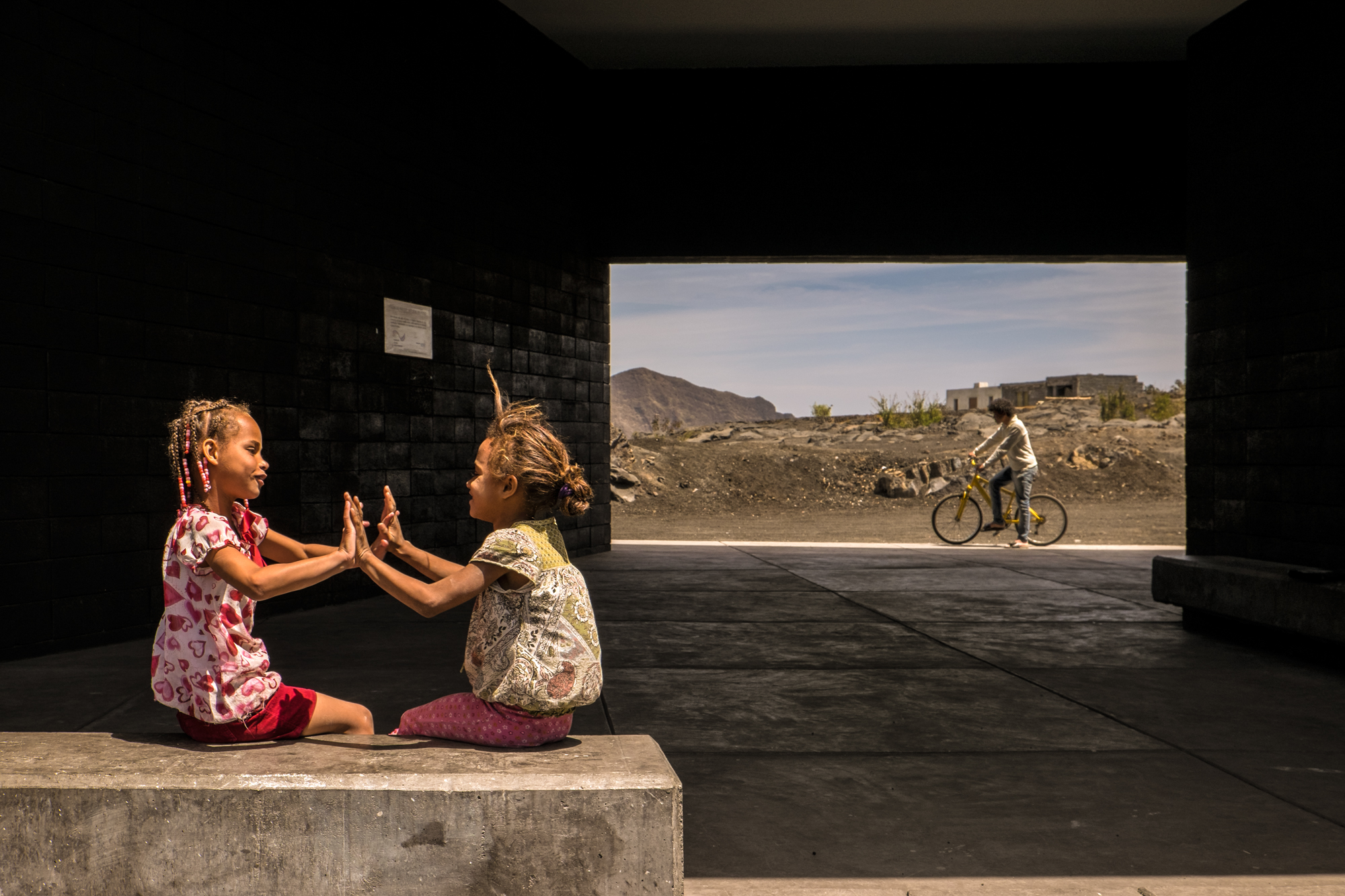
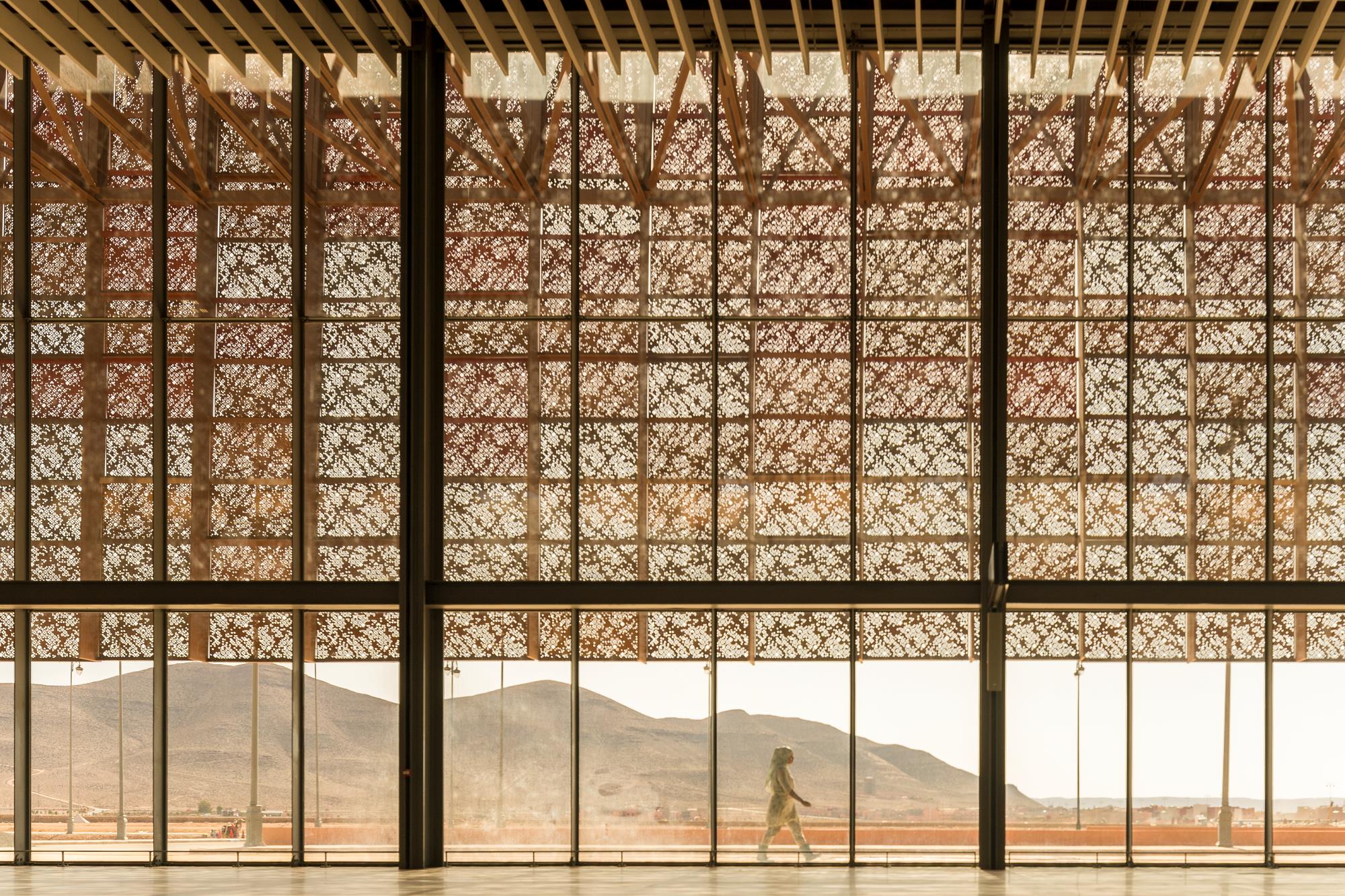
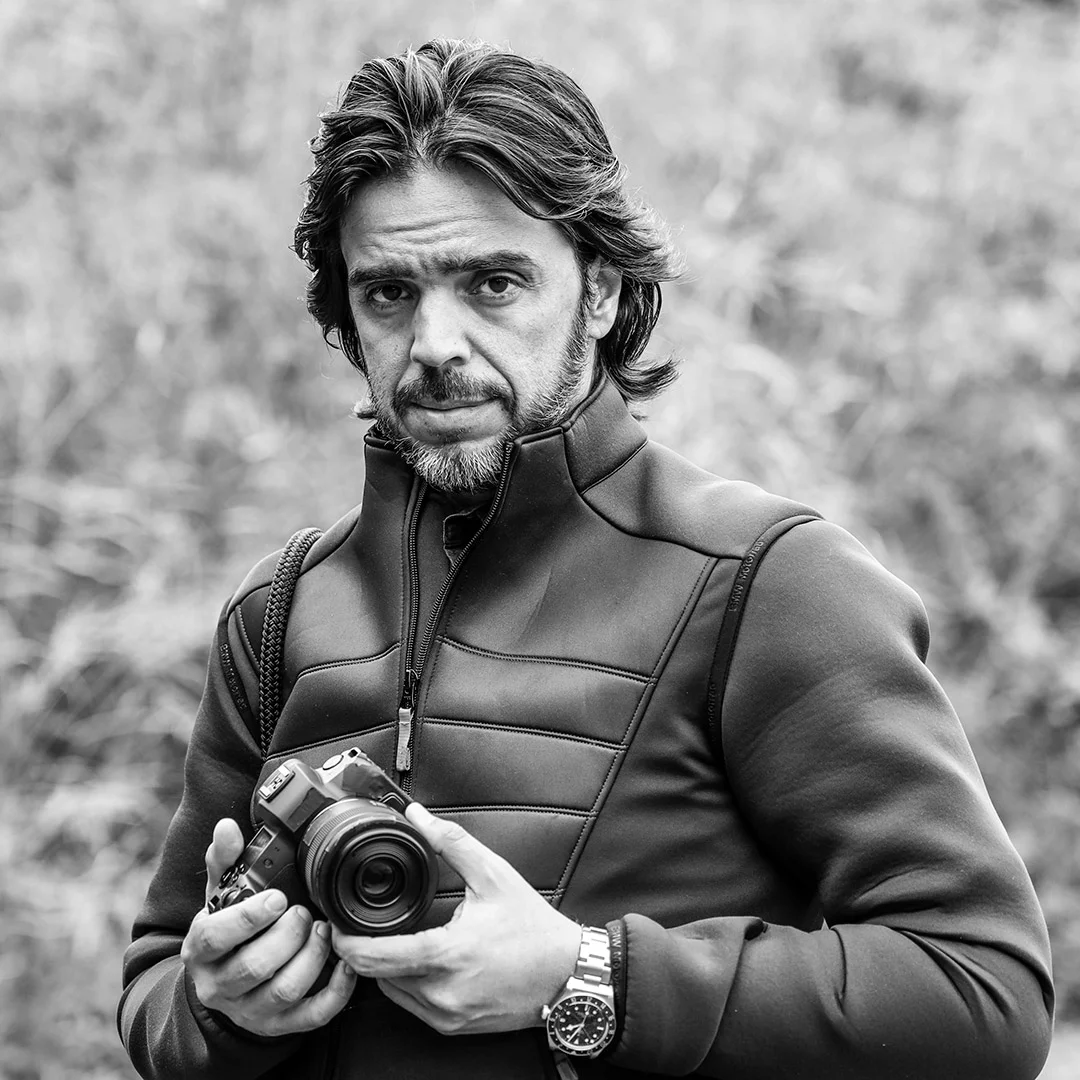
Guerra’s architecture training is visible in every frame: he understands light, proportion and program. But he refuses to treat buildings as static objects. Instead he introduces movement, people, and everyday moments into the frame a child on a stair, a worker passing a corridor making images that feel lived-in and relatable. This approach challenged conventions and helped him stand out early in his career.
Signature style warmth, timing, and human scale
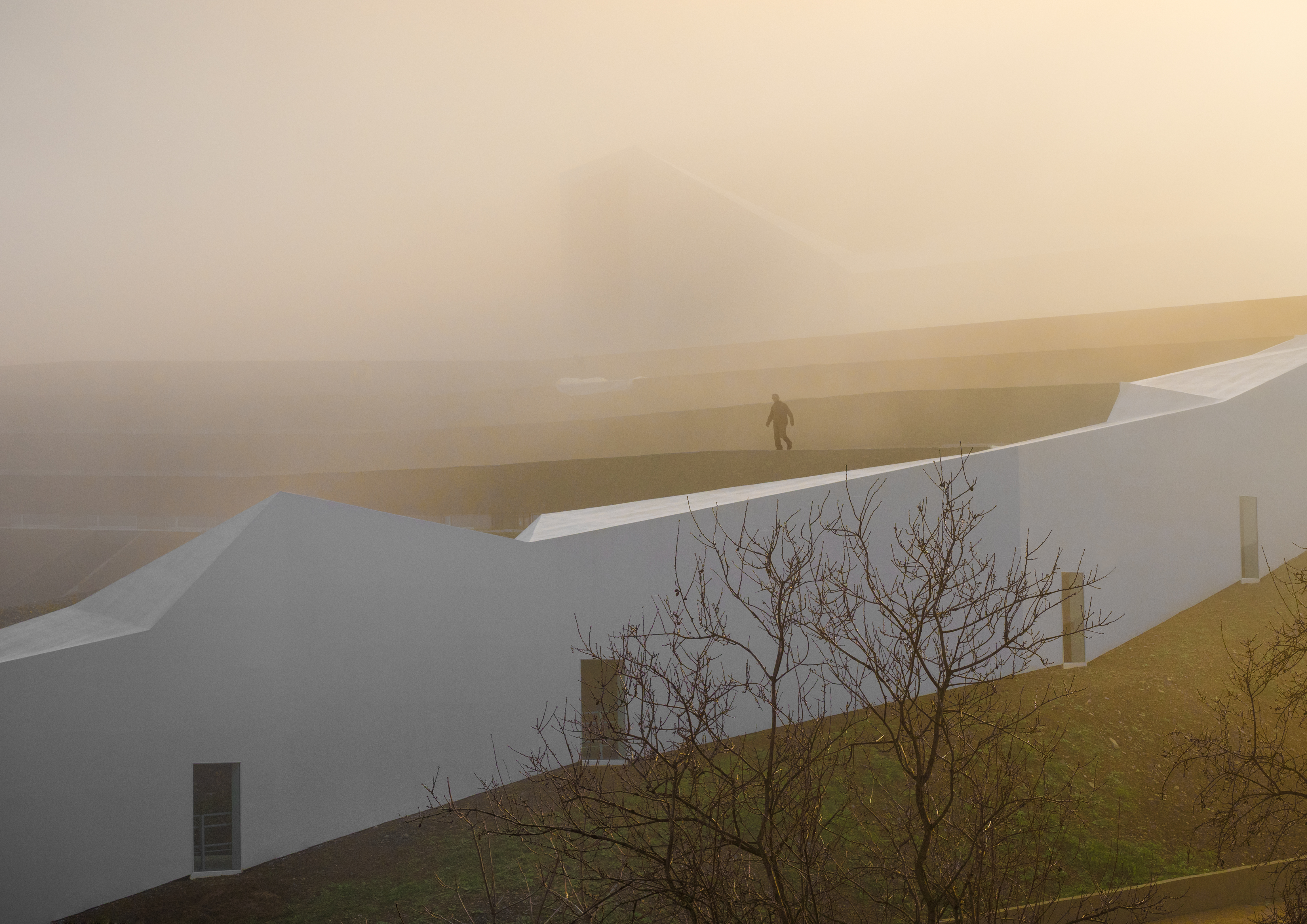
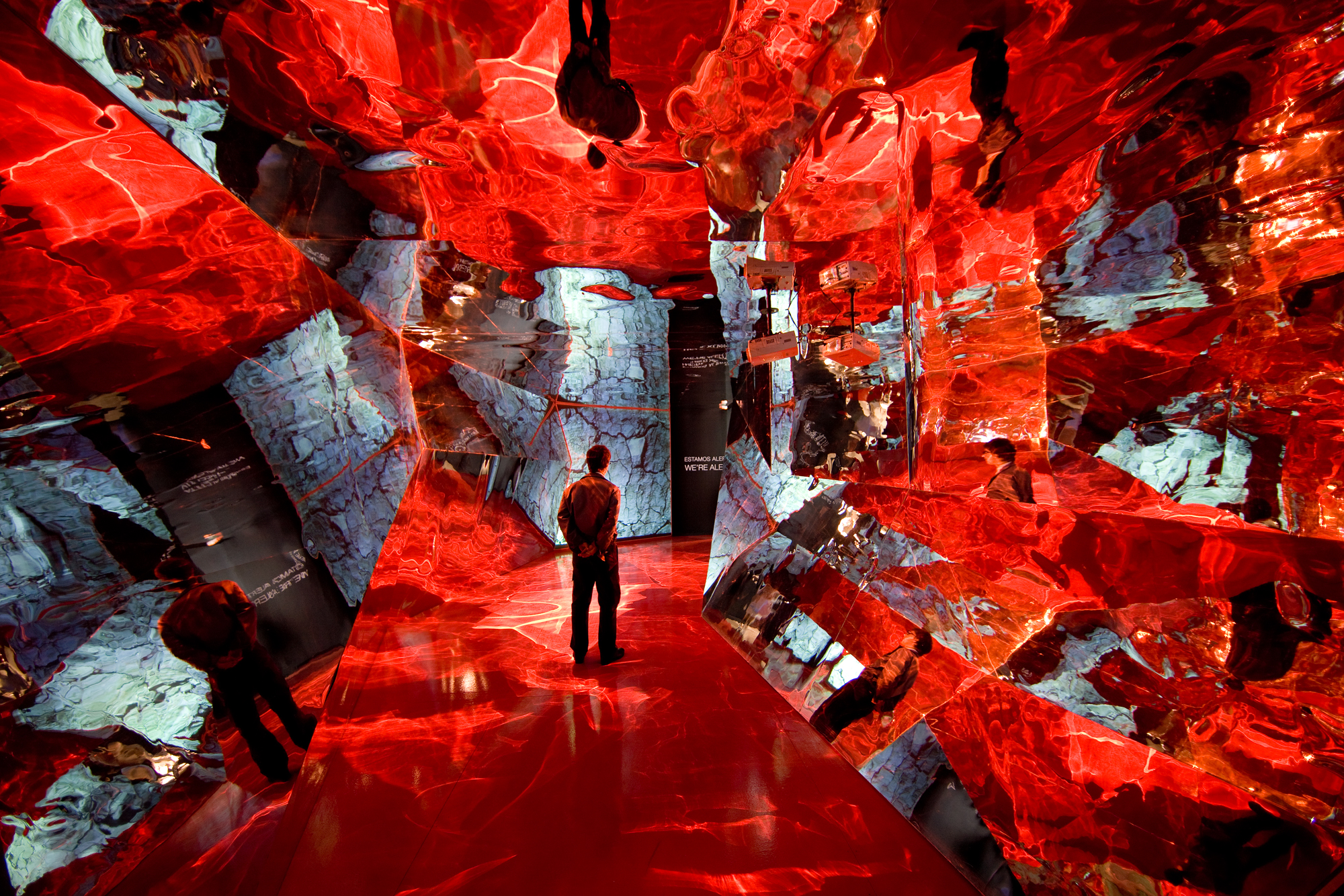
Fernando’s signature is the blend of strong composition with human presence. He often waits for a precise interval the decisive moment when light and life align. His images use color, shadow, reflections and scale to create narratives. The result: photographs that architects and non-architects both respond to, because they feel cinematic yet true to real life. Critics and peers note how he balances respect for the architect’s idea with his own visual storytelling.
Major achievements that shaped his reputation
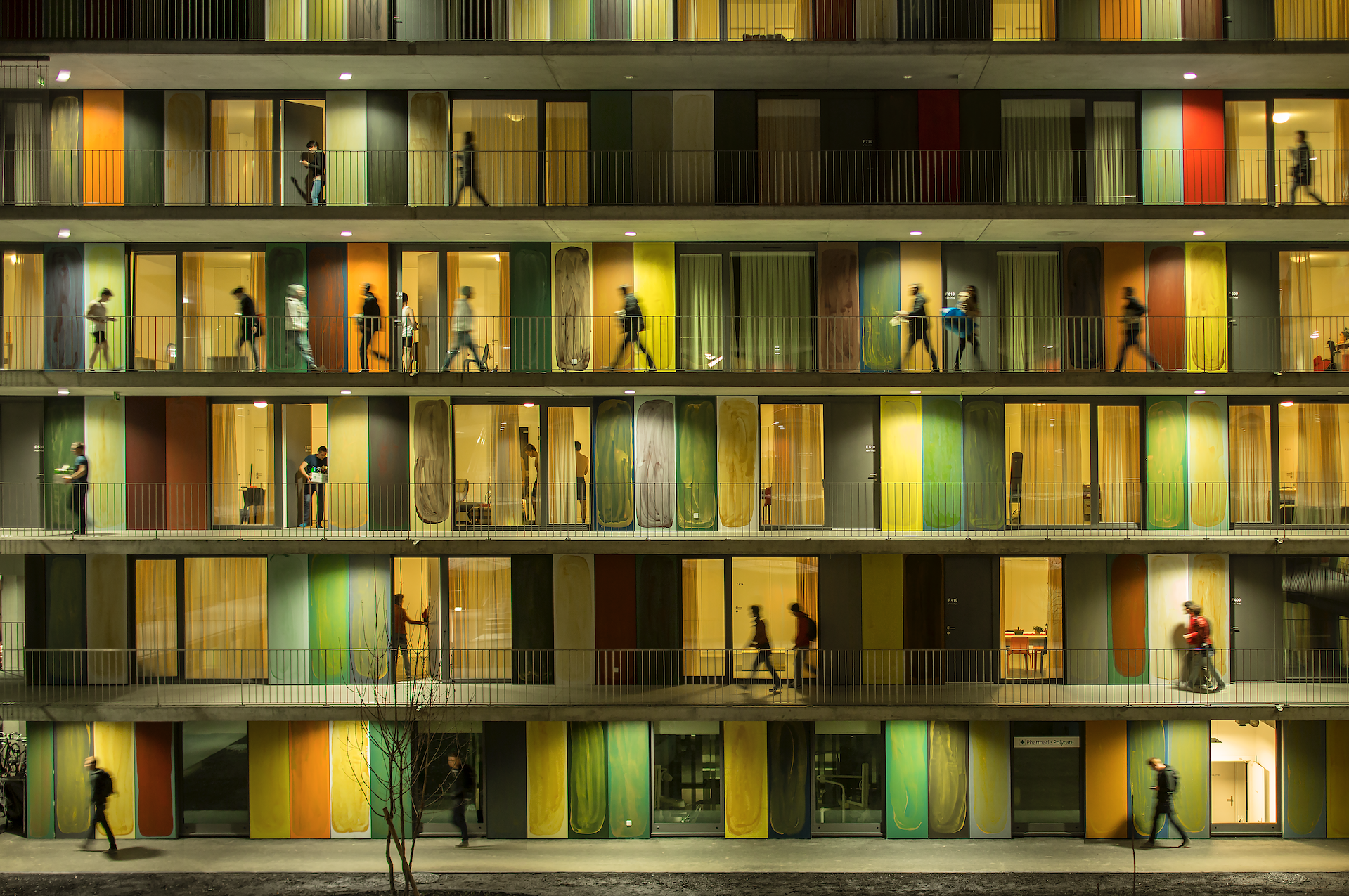
Over the years Fernando Guerra collected awards, exhibitions and editorial recognition that confirmed his role as a leading architectural photographer. A standout moment came when his image of the EPFL Quartier Nord won the Arcaid Images Architectural Photography Award, one of the most prestigious honors in the field. That win amplified his international profile and showcased how his work translates architectural complexity into a single powerful image.
Exhibitions, films and public projects
In a deeply personal and deliberate decision, Guerra has chosen to donate his extensive photographic archive to the Serralves Museum in Portugal. For him, this isn’t about ownership, but about purpose. His belief is simple and profound: images only gain real meaning when they are shared, preserved, and used to tell stories long after the moment they were created.
Over the years, he has documented architecture across continents and cultures. By placing this vast body of work in a public institution, he is ensuring that it can serve future researchers, architects, students, and anyone curious about how we build and inhabit space. Serralves; one of Portugal’s most important museums — will not just store the archive, but will maintain a living, growing collection that can be studied, explored and accessed for generations, instead of remaining a private collection tucked away on a shelf.
The struggles behind the frames
Success didn’t arrive without friction. Fernando began at a time when architecture photography often avoided people; including humans in compositions was unconventional and sometimes discouraged. He also learned the hard realities of running a studio long travel, tight deadlines, commercial constraints and the tension between editorial freedom and client demands. The documentary and interviews reveal a professional who adapted, experimented, and persisted, turning early resistance into a creative advantage.
Studio life collaboration, publishing, and a family business
FG+SG is not just a camera and a name. It’s a collective practice: Fernando and his team produce photography, books and editorial content. The publishing arm helped them present curated books of architecture and reach audiences that a single photo could not. Working with architects like Álvaro Siza and others across Portugal, Brazil and beyond, Guerra’s studio has become a trusted partner for translating built work into images that communicate design ideas.
Current happenings projects, social presence and ongoing influence
Alongside his continuing work, a long-form documentary about Fernando Guerra is currently in production. Filmed over the course of eight years, the project captures not only his professional journey but his personal evolution as both an artist and a human being. The film follows his travels, his quiet moments, his studio life, and the gradual shaping of his vision.
When released, the documentary is expected to offer an intimate, reflective look at how time, experience, and architecture itself have influenced his way of seeing the world; revealing a story that is still unfolding.
Why his online voice matters
In an age where images spread fast, Guerra’s carefully composed photographs remind viewers that quality, patience and point-of-view still matter. He uses platforms like Instagram to demystify process showing how compositions are built, how light changes a space, and how small gestures create mood. For many emerging photographers, those posts are lessons in how to combine craft with curiosity.
Lessons from Guerra how his story inspires creatives
- Keep your roots: Fernando’s architecture background gave him vocabulary and credibility.
- Be brave with composition: introducing people and daily life can transform a discipline.
- Build a platform: FG+SG and its publishing arm show the power of creating your own channels.
- Embrace travel and process: the flight-case exhibition is a metaphor — a career in motion, always gathering material.
These lessons are practical and human: Guerra’s career is less about overnight fame and more about consistent, thoughtful work done with humility and courage.
Final thoughts a photographer who turned rules into stories
Fernando Guerra’s journey from architecture student to internationally celebrated photographer is instructive because it’s a model of how technical skill, curiosity, and narrative instinct combine. His images ask us to slow down and observe to see buildings as living settings where life happens. For architects, photographers, and anyone who loves design, his work offers both visual pleasure and a reminder that the best photographs are the ones that connect to human experience.
Fernando Guerra’s name is now part of the architecture conversation because he expanded what architectural photography could be: empathetic, cinematic and honest. His awards, exhibitions, and ongoing projects show that a steady, curious practice can change a field and inspire the next generation to look again at the world with the same attentive eyes.
Do Follow him on Instagram
3 Editores convidados: Márcio Kogan com fotografias de Fernando Guerra
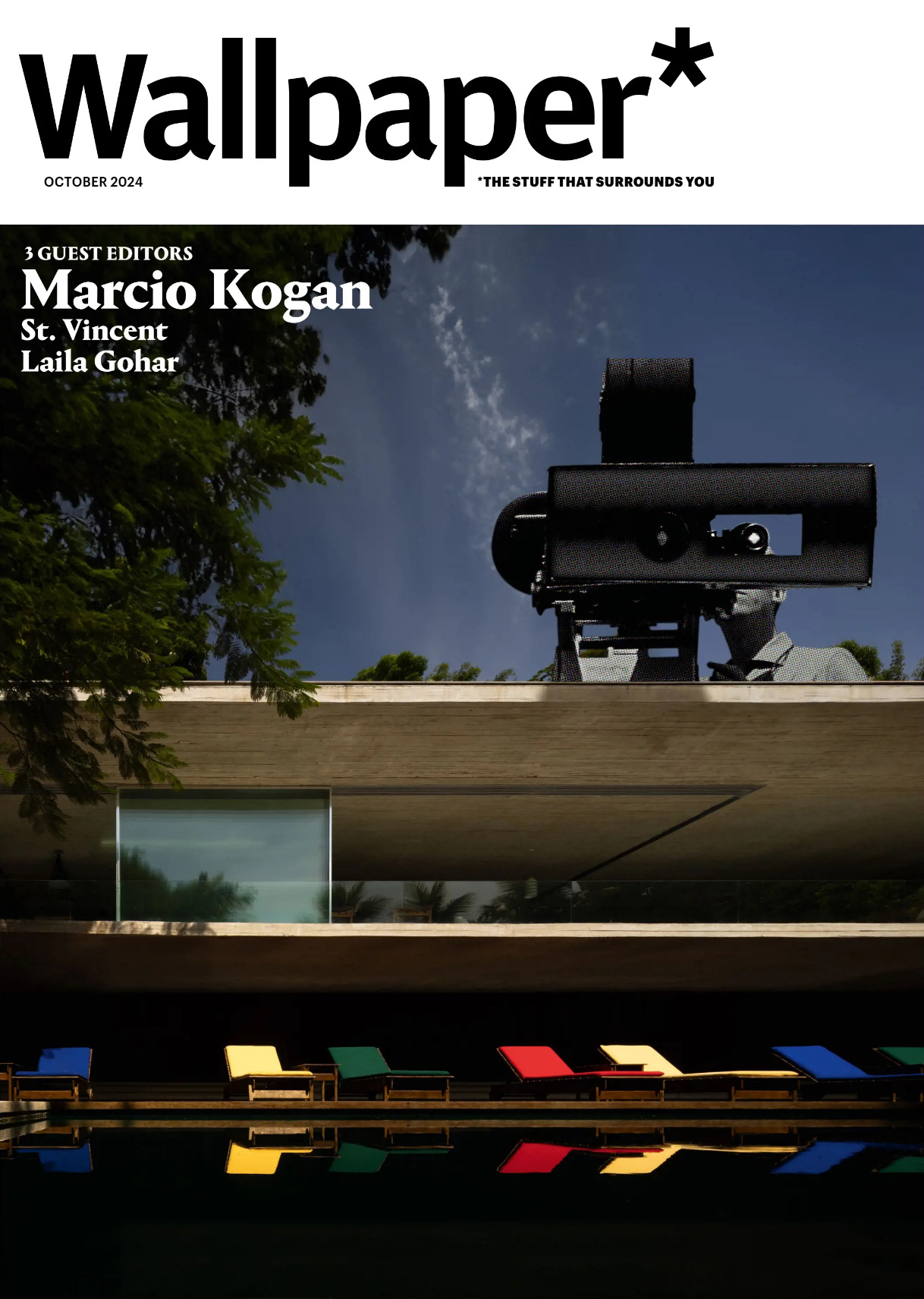
A edição de outubro de 2024 da Wallpaper* conta com três editores convidados e três capas, e tive a honra de fotografar uma!
Fazer uma capa é sempre especial, mesmo depois de 25 anos de fotografia, mas fazer uma para a Wallpaper* com Márcio Kogan é ainda mais. E também posso dizer, bastante raro. Nos últimos 25 anos fiz centenas de capas, mas esta é apenas a segunda para a Wallpaper*.
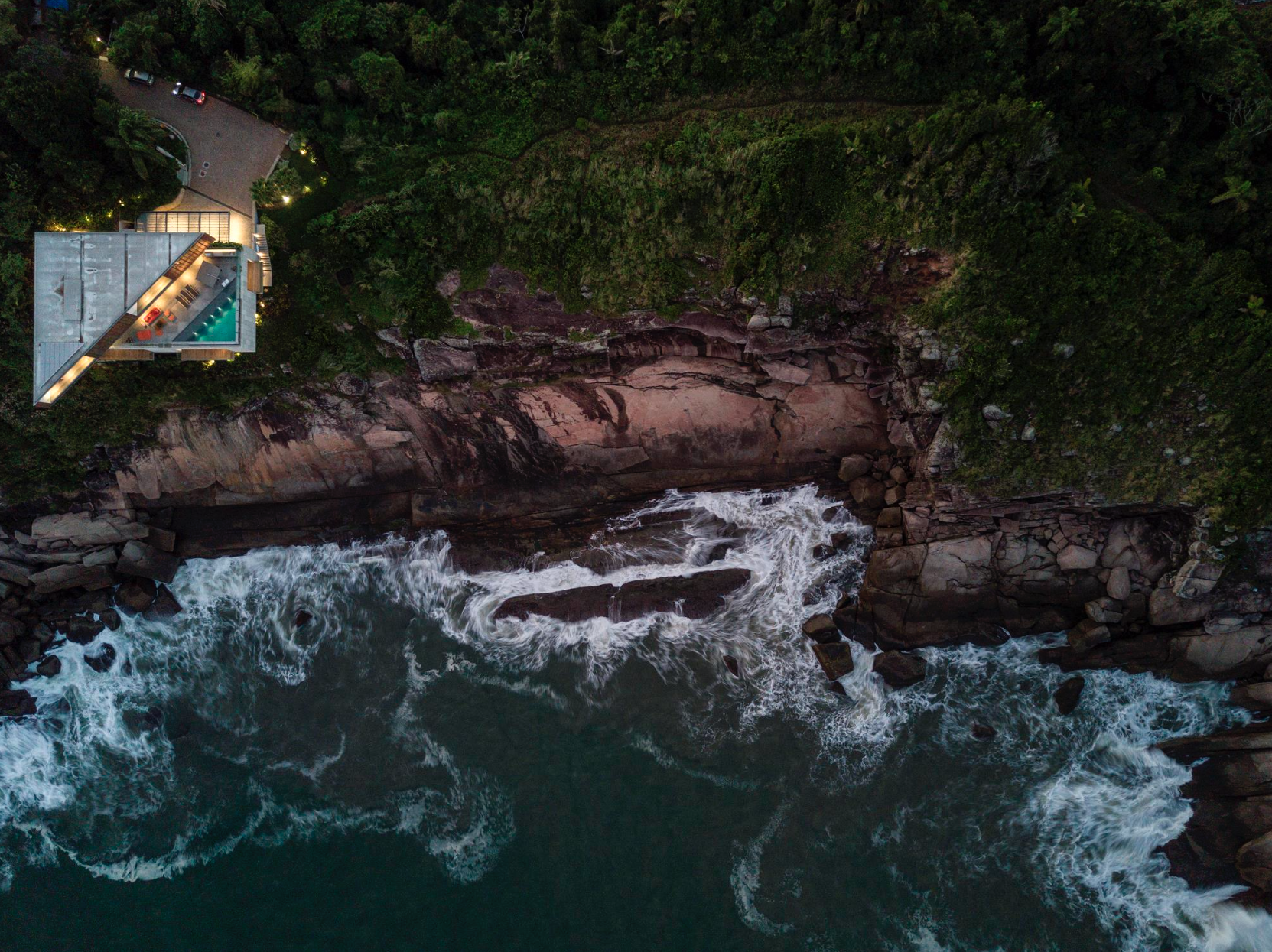
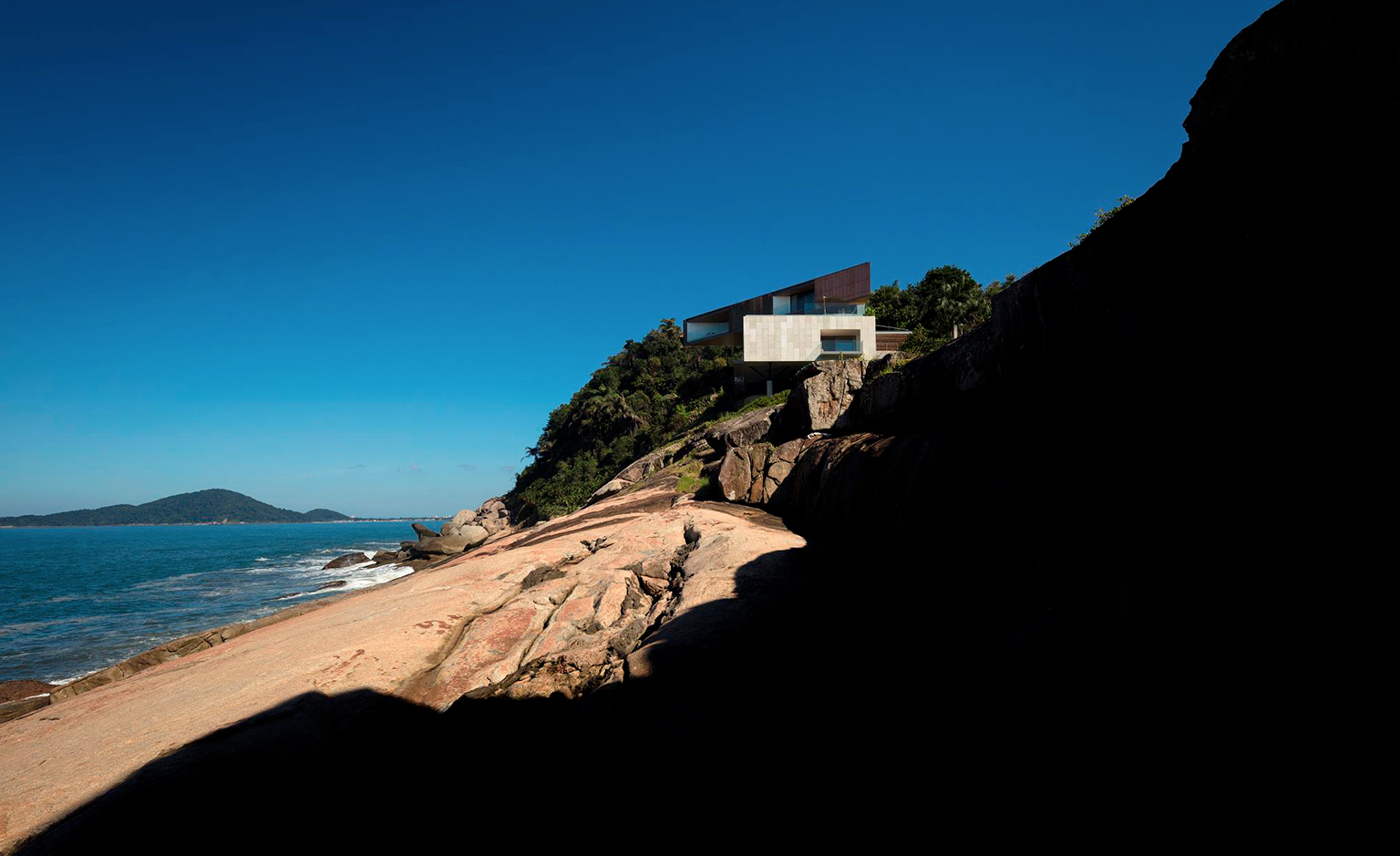
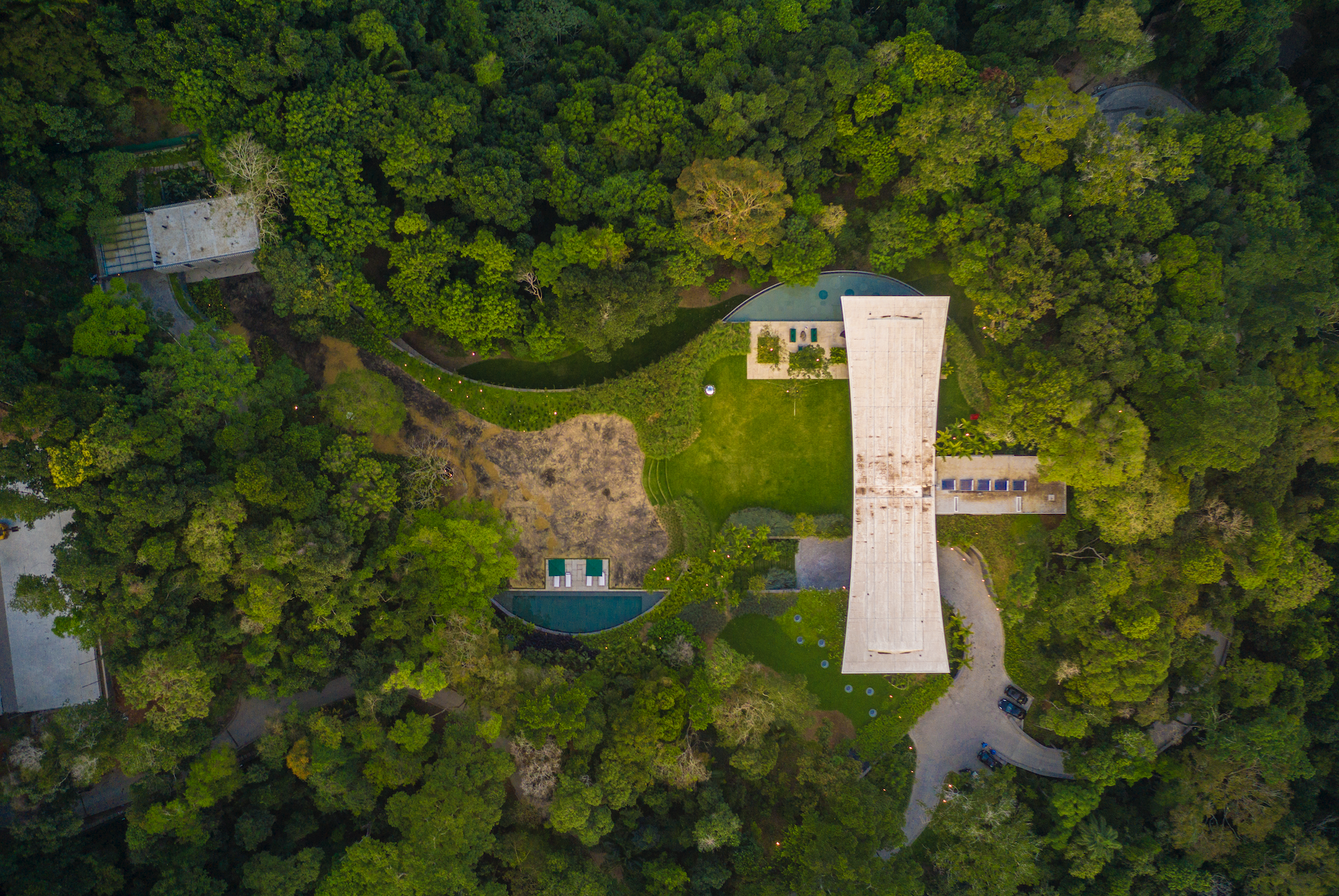
Esta capa reflete a forma como o visor da câmara de Jean-Luc Godard no seu filme Le Mépris, de 1963 partilha as mesmas proporções da fachada da Casa Paraty de Kogan, no Brasil, que fotografei no final do ano passado. Foi uma das maiores aventuras em que embarquei, literalmente, pois só se chega à casa de barco. Mas isso é uma história para outra altura.
Na sua secção de editor convidado, Márcio fala de um momento de mudança de vida que levou à sua famosa abordagem cinematográfica, explorando a forma como os seus ídolos do cinema influenciaram o arquiteto em que se viria a tornar.
O interior da revista é quase um álbum pessoal que mostra a arquitetura do Studio MK27, que tenho tido o privilégio de fotografar e documentar há mais de dez anos. Quando estive em São Paulo, há dois meses, pude testemunhar todo o processo de seleção das imagens e a relação entre o filme e as obras do estúdio.
É mais do que um belo número, é um objeto de estudo para o futuro. Muito semelhante à Casa de Paraty, construída em 2009, que só recentemente tive a oportunidade de fotografar.
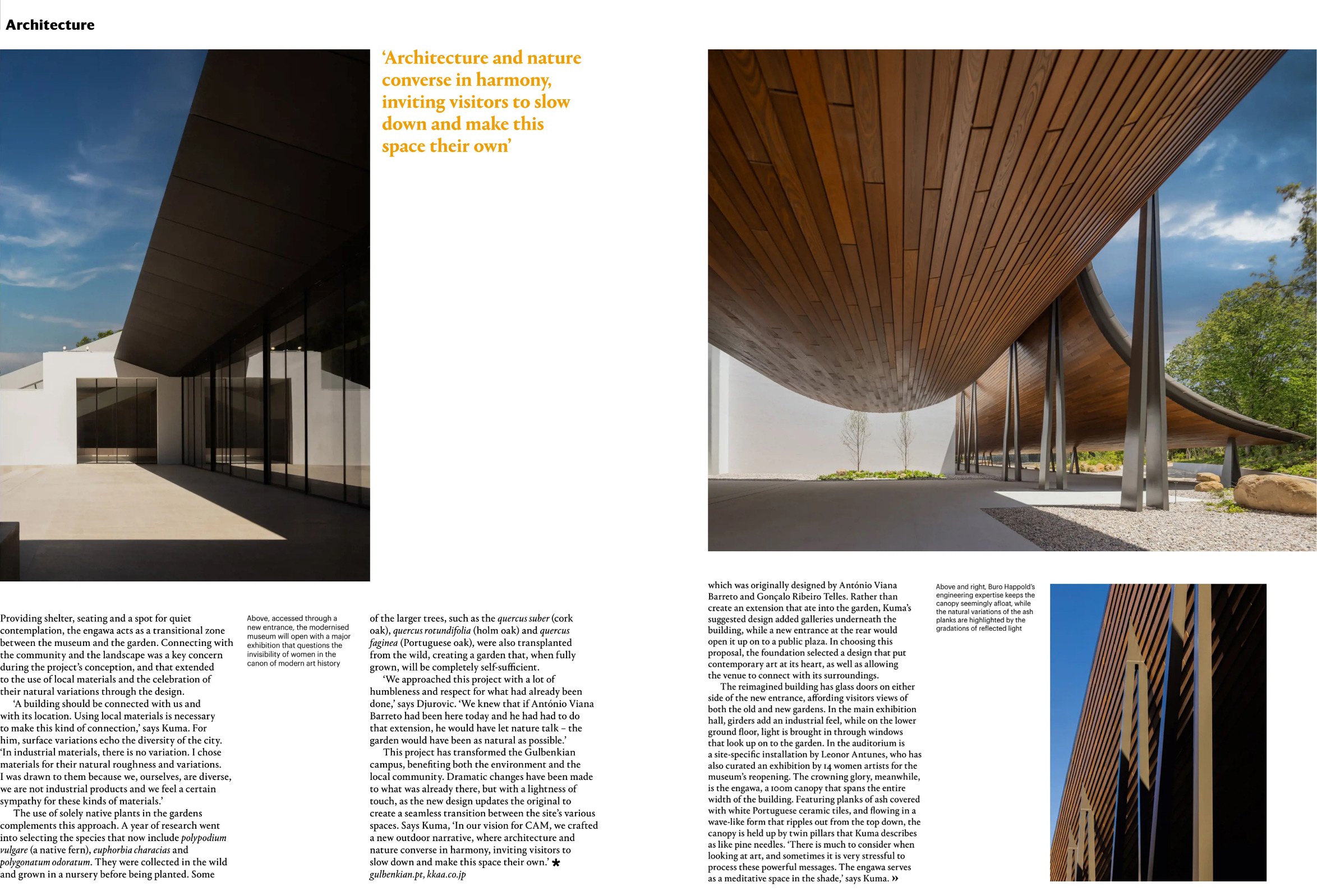
Mas esta edição da revista ainda trouxe uma longa matéria sobre o CAM. A nova extensão do museu de arte moderna da Gulbenkian em Lisboa.
Partilho aqui algumas das páginas…
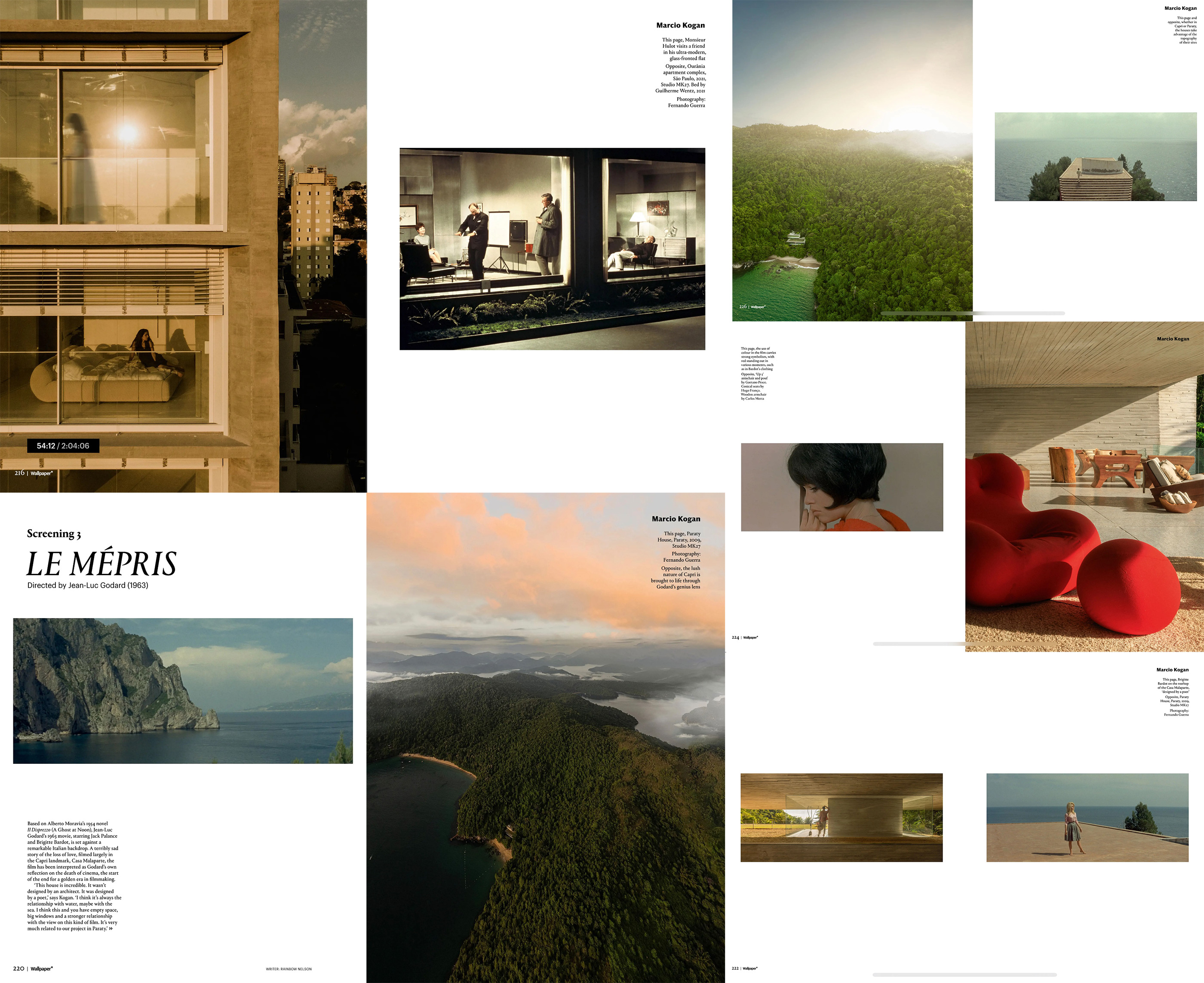
Serralves | Outubro de 2024
O extenso Arquivo de Fernando Guerra doado a Serralves inclui mais de 2.500 reportagens e 500.000 imagens, a maioria do trabalho realizado ao longo dos últimos 25 anos de atividade da FG+SG fotografia de Arquitectura.
Para além da importância da preservação do acervo e do que este protocolo significa em termos de reconhecimento do conjunto da obra do fotógrafo por parte da instituição, o objetivo desta doação foi também o de vir a permitir e proporcionar o estudo e divulgação do seu conteúdo, através de conferências, conversas, publicações e exposições, apresentadas tanto em Serralves como noutras instituições nacionais e internacionais, garantindo assim o seu acesso a um público mais alargado.
De realçar que o arquivo Fernando Guerra depositado em Serralves continuará a ser enriquecido anualmente com as fotografias das futuras reportagens.
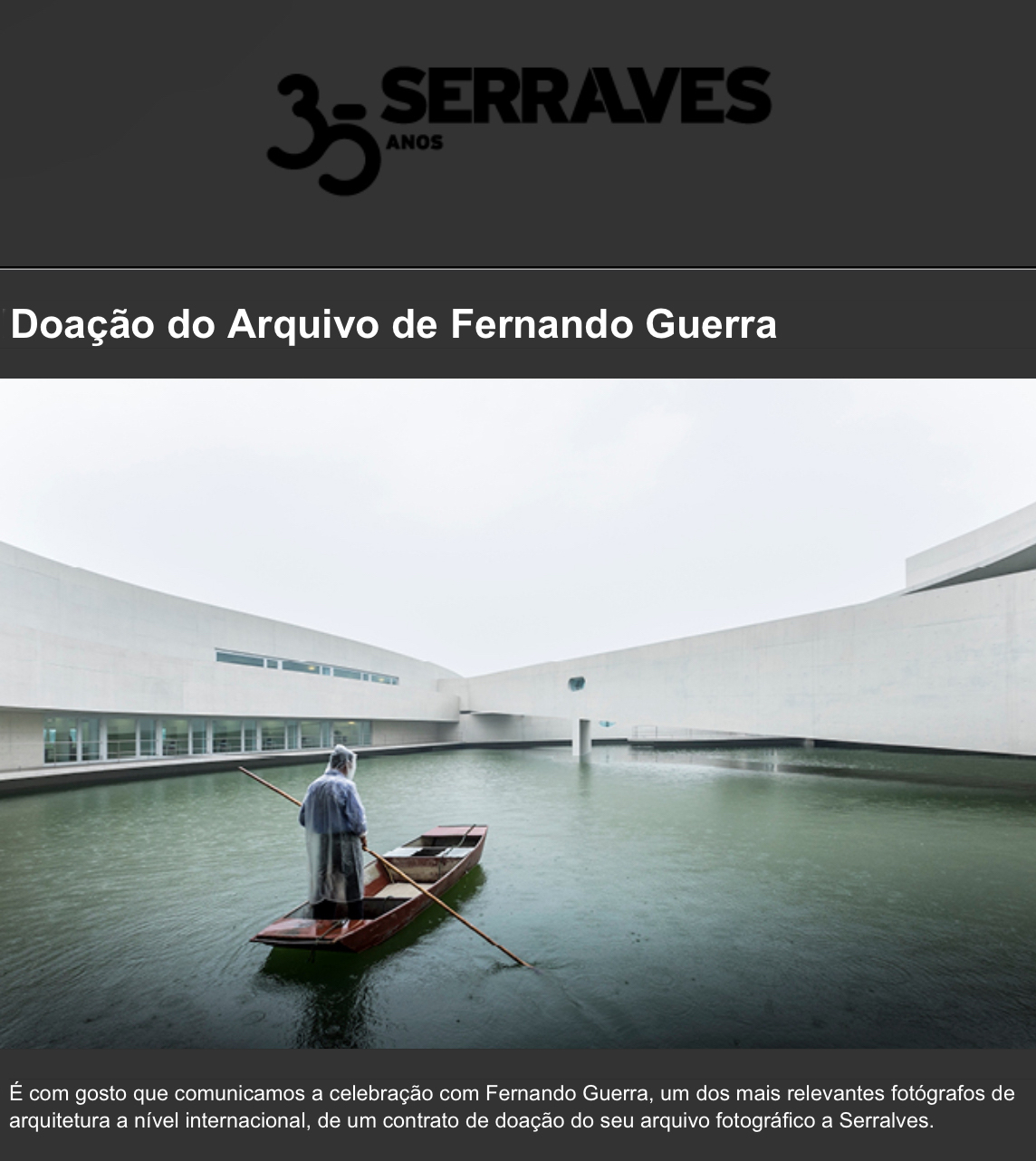
“Sobre ontem e a doação do meu arquivo à Fundação Serralves.
Hoje, com um despertar lento, como se tivesse passado por um momento de transformação na minha vida, tenho poucas palavras para descrever o que sinto, além de uma grande necessidade de expressar a minha profunda gratidão à @fundacao_serralves.
Espero que as imagens que entreguei sejam úteis para as futuras gerações. Estou grato aos clientes que estiveram ao meu lado desde o início, bem como aos clientes para os quais comecei a fotografar há pouco tempo. É gratificante ver que as suas obras, sem que o tivéssemos previsto, se tornarão parte deste enorme arquivo dedicado à arquitetura, e que serão preservadas e disponibilizadas a estudantes, jornalistas, entusiastas ou a qualquer outra pessoa que precise de estudar um período específico no futuro, de forma gratuita.
Saber que, daqui a 50 anos, alguém poderá ter acesso a um trabalho que completei esta semana dá significado ao que fiz e ao que continuarei a fazer todos os dias nos próximos anos. Sim, porque parar não está nos meus planos, mas melhorar a minha fotografia certamente está.
E o futuro está bem pensado: as fotografias que já integram o arquivo serão complementadas com novos trabalhos ao longo dos próximos anos, fazendo deste um arquivo vivo e em constante crescimento.
Expresso aqui a minha profunda gratidão à Fundação de Serralves não só pelo convite, mas também por ver o meu trabalho, o meu arquivo, lado a lado com o arquivo do grande Álvaro Siza, numa ligação próxima que, se já existia, agora permanecerá para sempre.
Há poucas palavras para expressar o que isto significa para mim, no entanto, uma grande sensação de felicidade está, sem dúvida, no centro de tudo.
Existem, de facto, coisas na vida que não podem ser planeadas, e isso é positivo. Acredito que é um dos prazeres que tiramos de tudo isto: as boas surpresas. Agradeço à Fundação de Serralves por esta oportunidade, por todo o cuidado ao longo do processo e, finalmente, por ser um dos lugares onde fui mais feliz a fotografar.
Obrigado.”
Fernando Guerra
19 de outubro de 2024
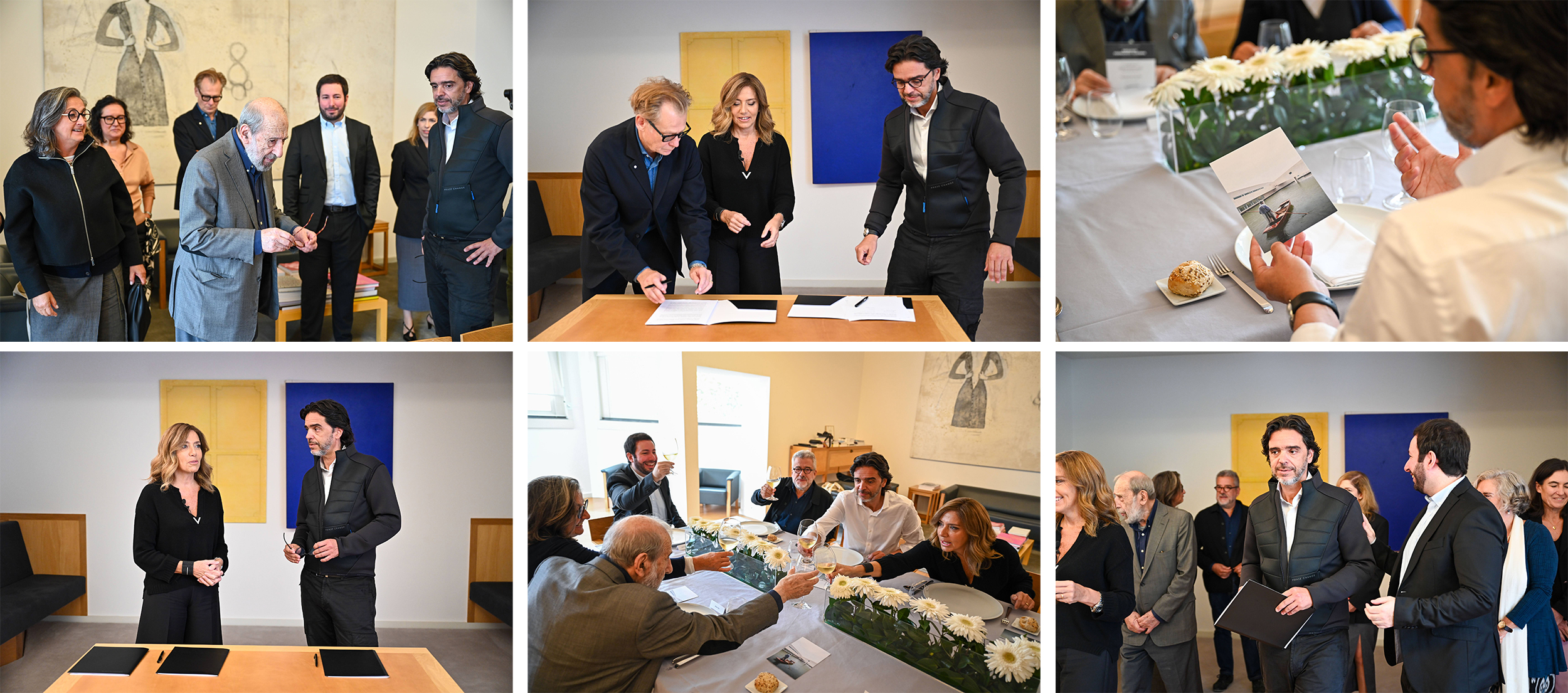
Em Outubro de 2024, Fernando Guerra recebeu o prémio PIDA (Premio Internazionale Ischia di Architettura).
Este prestigioso reconhecimento destaca a sua significativa contribuição na área da fotografia de arquitetura e o seu papel na promoção e disseminação da arquitetura à escala global.
Comunicado de imprensa:
Temos a honra de anunciar que o prémio PIDA Fotografia irá ser atribuído ao português Fernando Guerra, um dos mais famosos fotógrafos de arquitetura do mundo, por captar as transformações urbanas com as suas fotografias, que denotam a compreensão da intensidade dos processos e mudanças em curso. Uma seleção das suas fotografias estará exposta no Mosteiro de São Francisco, na antiga Câmara Municipal de Forio, de 3 a 20 de outubro, com horário de visita das 17h00 às 21h00.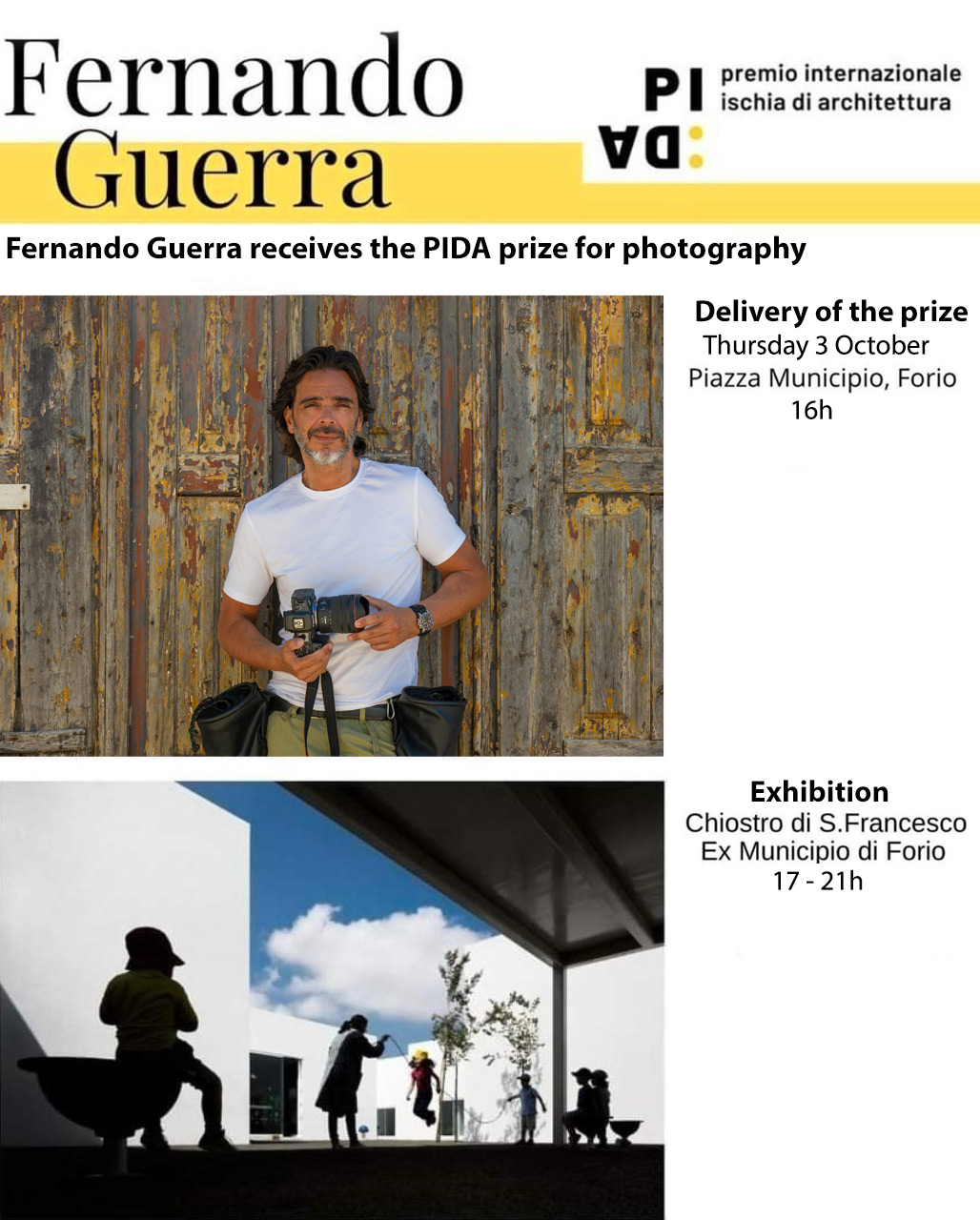
“Sinto-me honrado por receber o prémio PIDA de fotografia pelo conjunto da minha obra nesta ilha no sul de Itália, Ischia.
Senti sempre uma ligação única com este país, quer trabalhando em projetos fotográficos, quer simplesmente desfrutando dos lugares que tive o privilégio de explorar.
Ser reconhecido aqui, onde me sinto em casa, tem um significado especial.
Esta semana a ilha de Ischia acolhe o Prémio Internacional de Arquitetura, centrando-se em workshops e discussões sobre a forma como as nossas cidades se estão a adaptar a desafios como o das alterações climáticas e o do turismo de massas.”
Obrigado, PIDA
Fernando Guerra
WORTEN: Especial Fotografia de Arquitectura
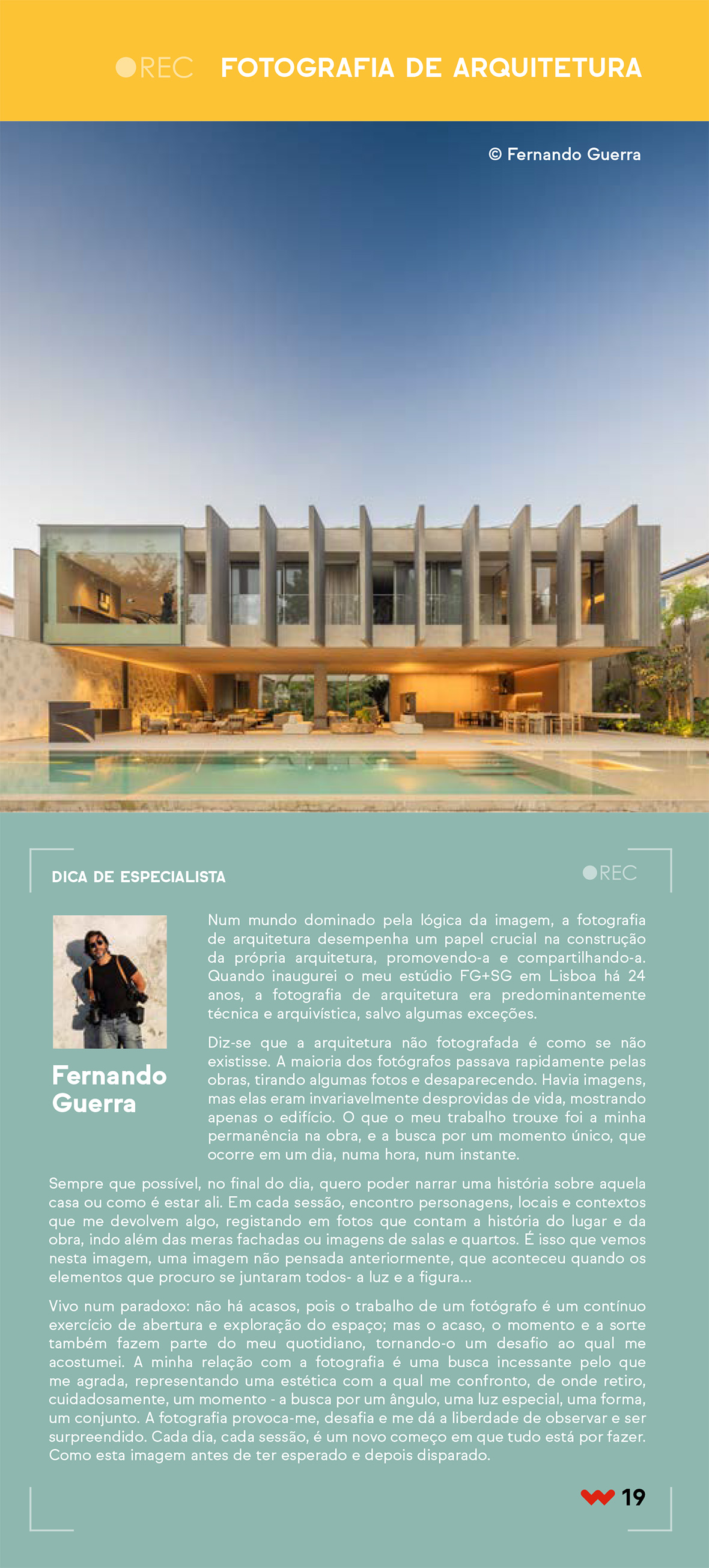
From their best advice to reflections on their craft, read some of the best quotes from famous Canon-shooting photographers working in different genres.
“Architectural photography is a job of patience; of rigour, too, because I have a well-defined mission to achieve. My job is to help communicate an idea, usually the project of a person who designed it,” reflects Fernando. “To endure hours on planes, days in hotels, or to wait a day or two in a house or building for the right light, it’s essential to have patience. And yes, I know that, still, it seems much more glamorous than it is. But it’s important to never forget that to have patience, you must have an unconditional love for the pursuit of the image.”
https://www.canon-europe.com/pro/stories/famous-photographers-quotes/
Read Fernando Guerra’s Canon Ambassador profile
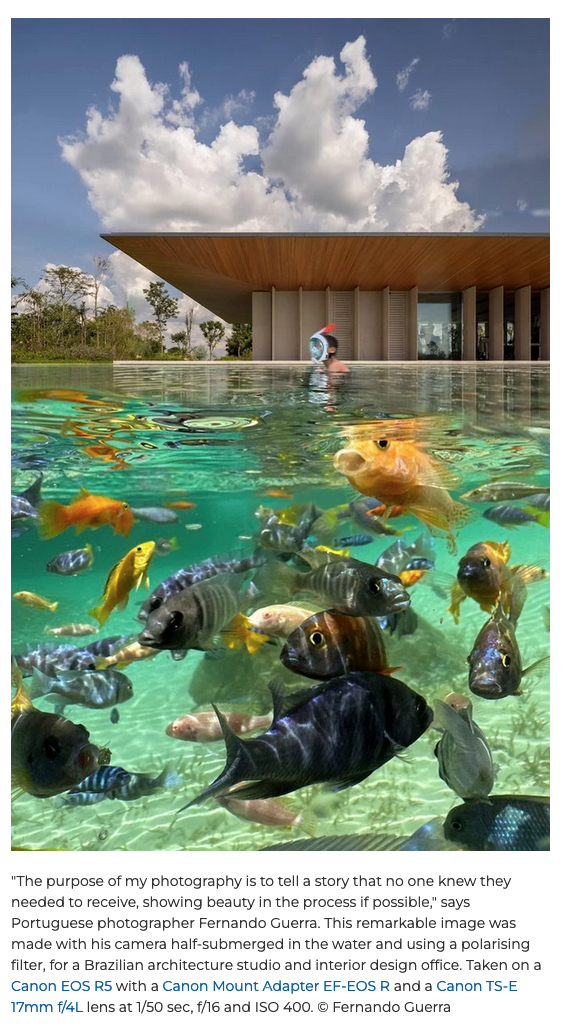
EU countries in the lens of education
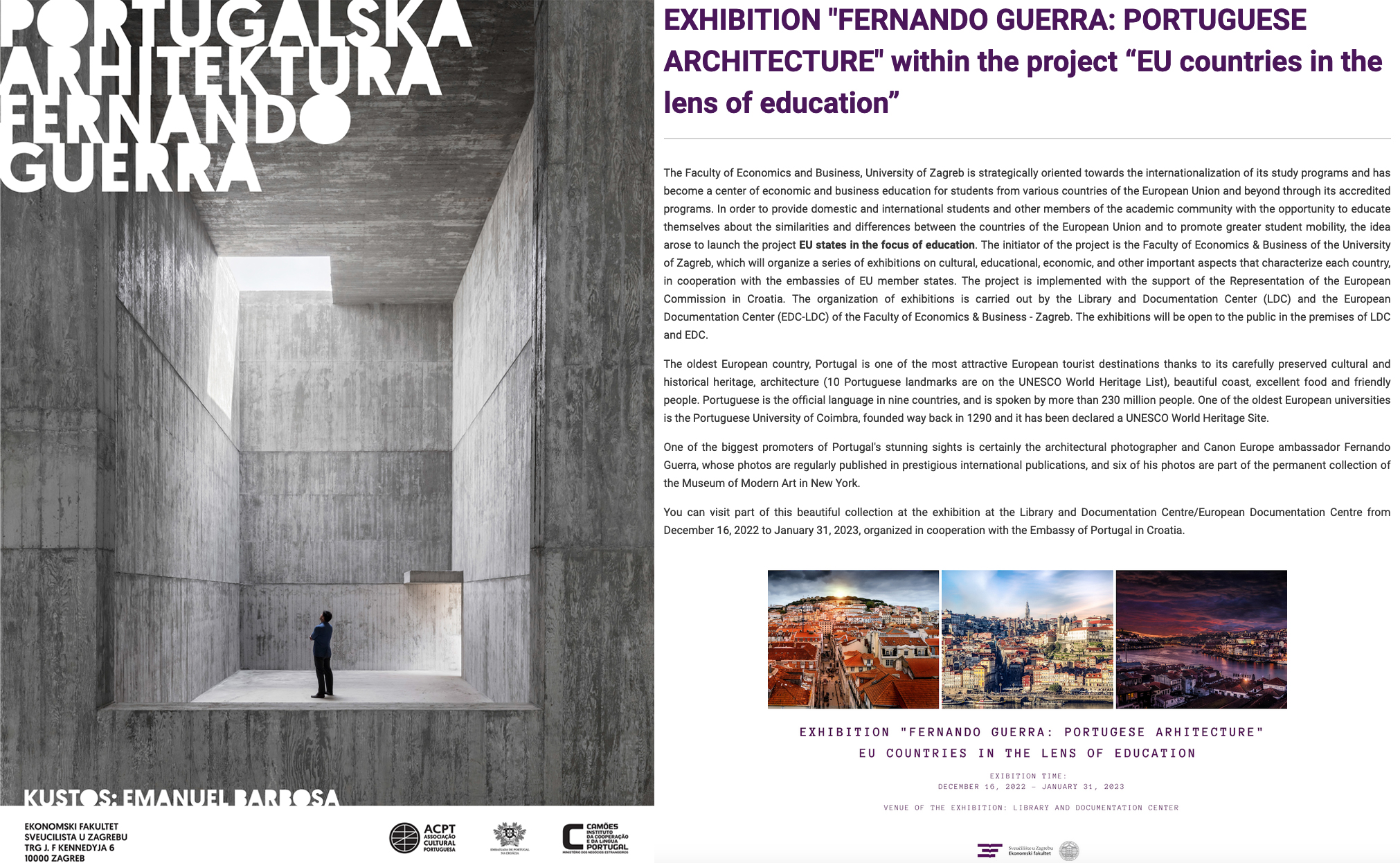
The oldest European country, Portugal is one of the most attractive European tourist destinations thanks to its carefully preserved cultural and historical heritage, architecture (10 Portuguese landmarks are on the UNESCO World Heritage List), beautiful coast, excellent food and friendly people. Portuguese is the official language in nine countries, and is spoken by more than 230 million people. One of the oldest European universities is the Portuguese University of Coimbra, founded way back in 1290 and it has been declared a UNESCO World Heritage Site.
One of the biggest promoters of Portugal’s stunning sights is certainly the architectural photographer and Canon Europe ambassador Fernando Guerra, whose photos are regularly published in prestigious international publications, and six of his photos are part of the permanent collection of the Museum of Modern Art in New York.
16.12.2022 – 31.01.2023
Curated by Emanuel Barbosa
LA FONDATION DES ARCHITECTES DE L’URGENCE
Photo of Fernando Guerra @ Auction
—
BENEFIT AUCTION FOR THE FOUNDATION OF EMERGENCY ARCHITECTS
Drawings, furniture of architects and architecture photographies
23.03.2023
148 Rue du Faubourg Saint-Martin
75010 Paris
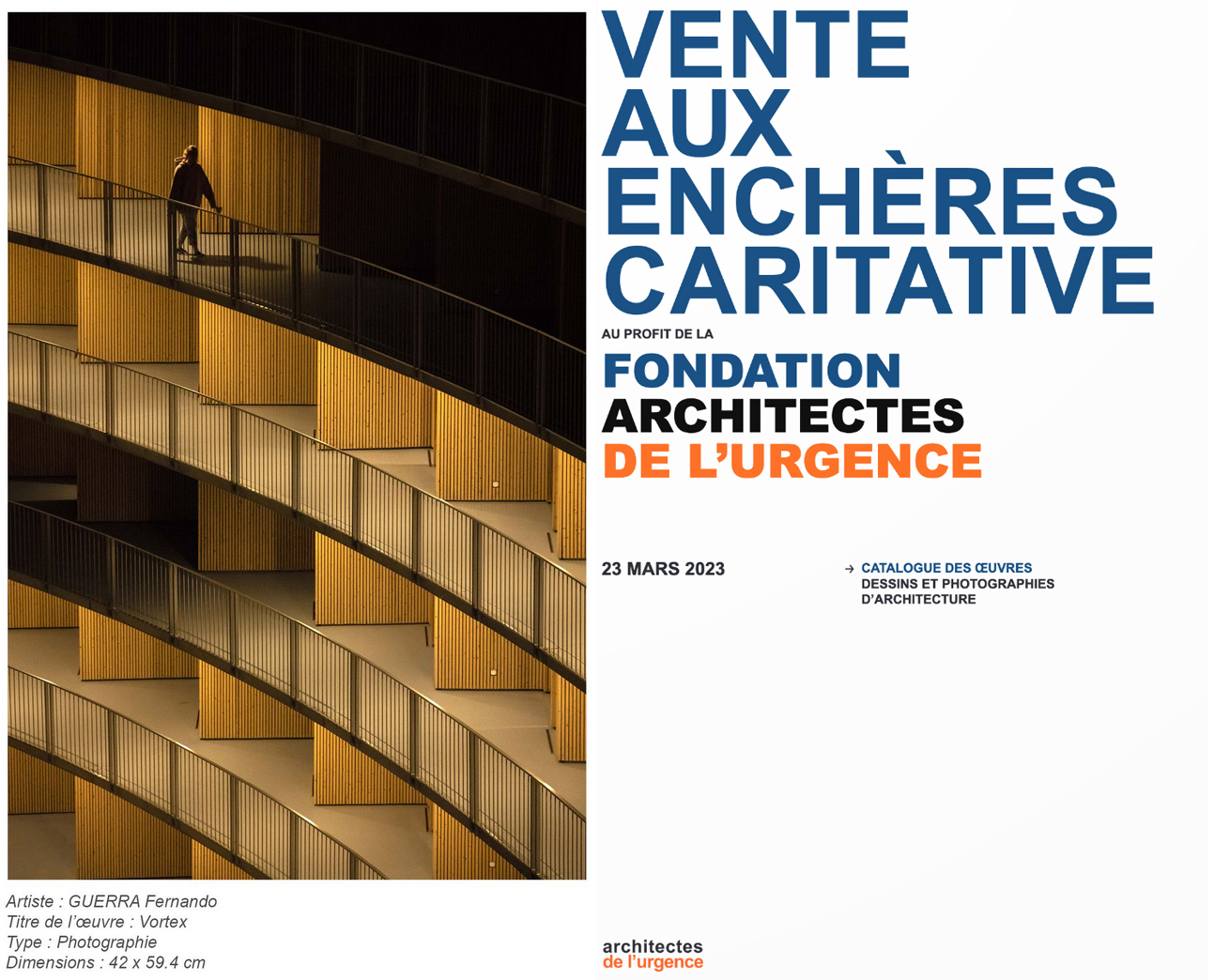
Over 100 architects, designers, draughtsmen and architectural photographers rally in favor of the Emergency Architects
This is an unprecedented movement of solidarity and generosity where architects, draughtsman, designers and architectural and urban photographers come together from around 15 nations.
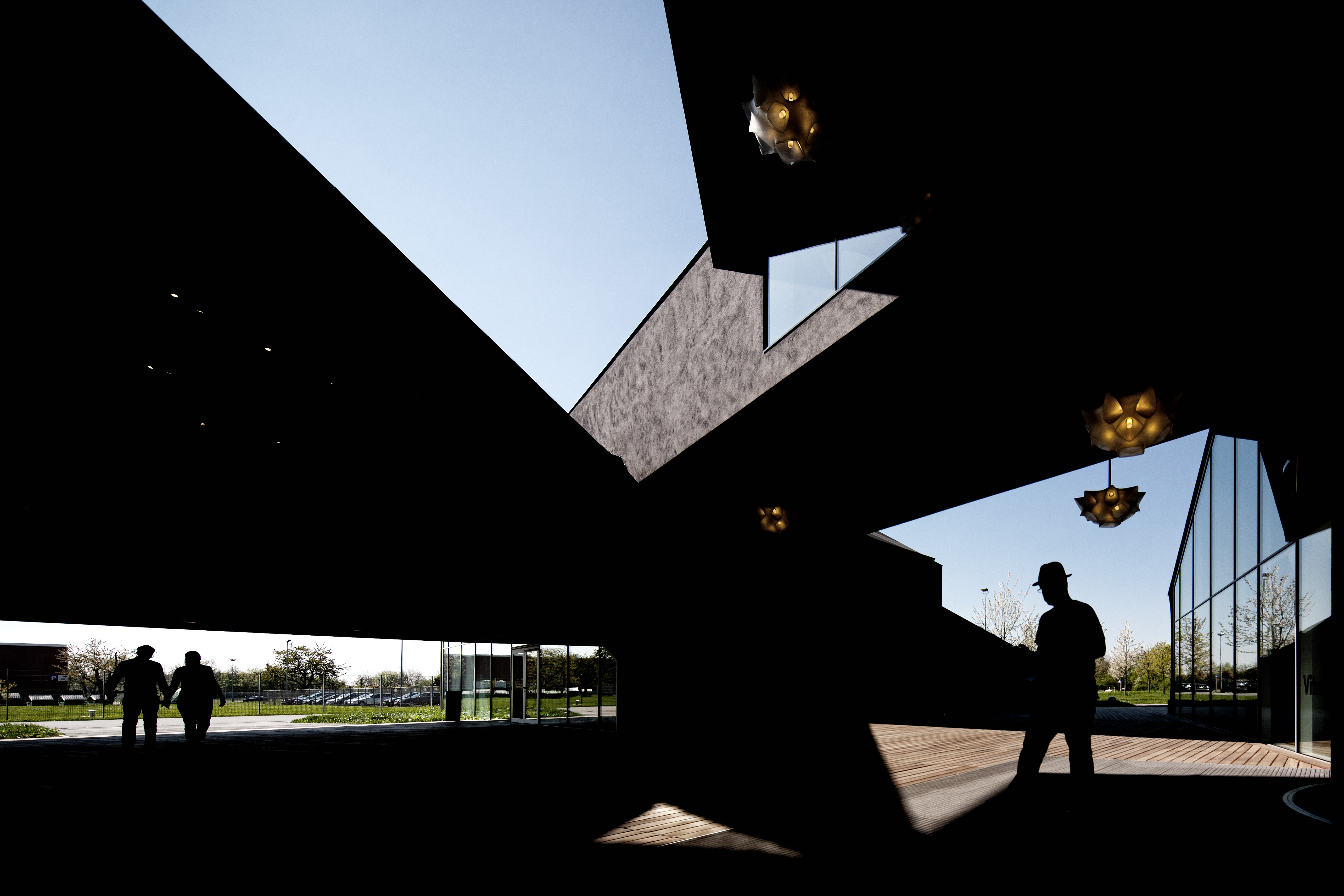
Fernando´s photo: Student residence I Vortex building at Chavannes-près-Renens by the swiss architects @durig_ag + @ittenbrechbuehl
ARCHITECTES
Aires Mateus Manuel, ANMA Architectes Urbanistes, ArchiBat, Avenier Cornejo Architectes, Beckmann Aldric, Borel Frédéric, Botta Mario, Carrillo Gabriela, Castro Roland, Atelier Chaix & Morel, Chemetov Paul, Dong Gong, Fiùza Faustino Didier, Gautrand Manuelle, Ghotmeh Lina, Heringer Anna, Jakob Dominique et MacFarlane Brendan, Khoury Bernard, KOZ – Ouhayoun Christophe, LAN Architecture, Lipsky Florence et Rollet Pascal, Lovag Antti, Maupin Stéphane et Hugon Nicolas, Mimram Marc, Novarina Patrice, Philippon Jean-Paul, Piano Renzo, Quinton Jean-Christophe, Kagan Michel, Ricciotti Rudy, Samyn Philippe, Sebbag Jacques, Siza Alvaro, Souto de Moura Eduardo, Tane Tsuyoshi, Vezzoni Corinne, Wilmotte Jean-Michel, WHY – Yantrasast Kulapat, Zublena Aymeric.
PHOTOGRAPHES
Abd Rabbo Ammar, Abramowitz Christophe, Amsellem Olivier, Argyroglo Martin, Beasse Philippe, Boegly Luc, Borel Nicolas, Cornut Cyrus, Denancé Michel, Espinasseau Antoine, Fillon Vincent, Gomart Michel, Grazia Sergio, Guerra Fernando, Issock Alain, Michel Florent – 11h45, Pfrunner Vincent, Ricciotti Lisa, Ruault Philippe.